Top Aluminum Parts Buying Guide for Global Suppliers?
In today's manufacturing landscape, Aluminum Parts play a crucial role in various applications. Their lightweight, durability, and corrosion resistance make them ideal for industries such as automotive, aerospace, and electronics. However, navigating the complex market of global suppliers can be challenging.
Understanding the features and specifications of Aluminum Parts is essential. Selecting the right supplier requires careful consideration of quality and reliability. Not all suppliers meet the same standards. Some may offer lower prices, but at what cost to quality? It's vital to weigh these factors meticulously.
Additionally, being aware of the latest trends in Aluminum Parts is necessary for an informed decision. Technology is constantly evolving, and staying updated helps in choosing the right components. Reflection on past experiences with suppliers can provide invaluable insights. This guide aims to empower you with knowledge and resources for purchasing Aluminum Parts effectively.

Understanding Aluminum Parts: Types and Applications
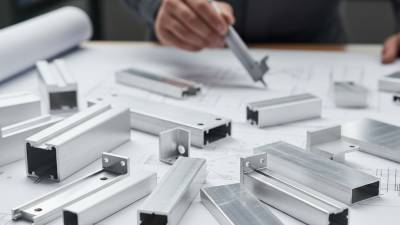
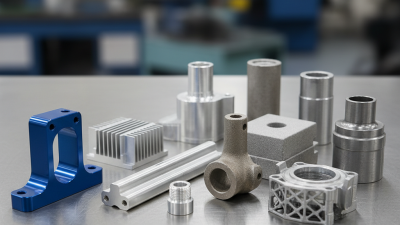
Aluminum parts are widely used across various industries due to their lightweight nature and corrosion resistance. Understanding the different types of aluminum parts is crucial for effective procurement. Common categories include extrusions, die castings, and machined parts. Each type serves specific applications, from automotive components to consumer electronics. For instance, extrusions are often used in frame structures, while die castings are ideal for complex shapes.
Choosing the right type of aluminum part can be challenging. Consider the application's requirements carefully. For lightweight structures, opt for thin-walled extrusions. If durability is a priority, machined parts may be a better fit. It's also essential to assess the manufacturing process. Each method has unique capabilities and cost implications.
Tips for selecting aluminum parts: Always request samples before placing bulk orders. This helps in evaluating quality. Check for certifications that prove material compliance with industry standards. Engage with suppliers who demonstrate expertise and reliability. Their insights could clarify product specifications, reducing the risk of costly errors. Remember to reflect on your evolving needs; technology and innovation can change material requirements over time.
Key Considerations When Selecting Aluminum Parts Suppliers
When selecting aluminum parts suppliers, several factors come into play. Quality assurance is essential. Ensure that suppliers have robust quality control measures. Certifications can indicate adherence to industry standards. Look for suppliers that perform regular testing on their materials and products.
Experience in the industry is another vital aspect. Suppliers who have been in the market for years often understand the nuances better. They may have faced challenges and learned how to overcome them. Check their history and client portfolio to gauge reliability.
Cost is a significant issue but shouldn't be the only consideration. A lower price can lead to compromised quality. Evaluate the materials and processes used by potential suppliers. Sometimes, a slightly higher investment yields better long-term returns. Always seek to balance price with quality.
Quality Standards and Certifications for Aluminum Components
When purchasing aluminum components, understanding quality standards and certifications is essential. Various international standards govern the manufacturing of aluminum parts. These include ISO 9001 for quality management and ASTM standards for specific material properties. Reliable suppliers should provide documentation proving their compliance with these standards.
Another critical aspect is the certifications related to material safety and environmental impact. Look for suppliers certified by organizations such as ISO 14001, which focuses on effective environmental management systems. This certification indicates a commitment to sustainability. Additionally, suppliers with AS9100 certification are recognized for quality in the aerospace sector.
Not all suppliers maintain these certifications consistently. Periodic audits and compliance checks are crucial. A lack of adherence can lead to subpar products. Discrepancies in standards can affect performance and safety. It's wise to scrutinize suppliers and request up-to-date certifications. While many uphold high standards, some may falter. Ensuring continuous quality requires vigilance and thoroughness in supplier selection.
Pricing Factors and Negotiation Tips for Aluminum Parts
When it comes to purchasing aluminum parts, understanding pricing factors is crucial for making informed decisions. Factors influencing prices include material quality, manufacturing complexity, and order volume. High-quality aluminum often comes at a premium, but it ensures durability. A more complex part design can increase costs due to specialized labor and machinery required. Negotiating based on volume is smart. Suppliers may offer discounts for larger orders, which can lead to significant savings.
Negotiation strategies can make a difference. Start by gathering data on market prices for similar products. This knowledge empowers you to counter unreasonable quotes. Build a rapport with suppliers; trust can lead to better deals. Don't hesitate to ask for clarification on quotes to identify hidden costs. Flexibility in order timelines can also be leveraged; suppliers might lower prices for non-urgent orders.
However, be aware of potential pitfalls in negotiations. Overemphasis on price reductions can sometimes compromise quality. Deadlines may be an alluring aspect to push for lower costs, but they can lead to rushed production. Keep an eye on the balance between cost and quality. It’s essential to reflect on long-term value over short-term savings. Thoughtful negotiation and understanding pricing dynamics can lead to better purchasing decisions.
Sustainability and Environmental Impact in Aluminum Sourcing
Sustainability is a crucial factor in aluminum sourcing. The aluminum industry has a significant environmental impact due to high energy consumption and greenhouse gas emissions. Responsible sourcing practices can mitigate these effects. Increased recycling rates can reduce the need for raw material extraction, leading to lower carbon footprints.
Global suppliers must evaluate their sourcing strategies. Choosing recycled aluminum over virgin aluminum can save up to 95% of energy used in production. However, the recycling process itself isn't without challenges. Not all scrap aluminum is recycled efficiently, and quality may differ from newly mined materials. Suppliers should prioritize quality control and transparent sourcing.
Environmental certifications can guide responsible sourcing decisions. Suppliers can look for industry standards that promote sustainable practices. This transparency builds trust with customers who value eco-friendly products. Reflecting on sourcing impact can lead to improved practices. A consistent commitment to sustainability is essential, yet the journey requires ongoing reflection and improvement.
Top Aluminum Parts Buying Guide for Global Suppliers
Sustainability and Environmental Impact in Aluminum Sourcing
| Material Grade |
Recyclability (%) |
Carbon Footprint (kg CO2e/kg) |
Source of Material |
Certifications |
| 6061 |
90% |
3.5 |
North America |
ISO 14001 |
| 7075 |
85% |
4.0 |
Europe |
LEED Certification |
| 5005 |
95% |
3.0 |
Asia |
RoHS Compliant |
| 2024 |
80% |
4.5 |
Oceania |
Mil-Spec |