Global demand is expanding. The International Aluminium Institute reported that worldwide primary aluminum production reached about 70.6 million tonnes in 2023. The U.S. Geological Survey later estimated approximately 72 million tonnes in 2024. These figures show the scale of the material supply behind components used in aircraft, vehicles, electronics, and industrial equipment. They do not, by themselves, tell buyers which machining supplier will deliver reliable parts.
That decision depends on more than a competitive quote. Machined Aluminum Parts must meet drawing tolerances, surface-finish requirements, and production schedules. A supplier’s inspection process matters, too. Ask how it verifies critical dimensions, manages material traceability, and handles design changes. A clear answer is useful; a vague promise is not. For global buyers, communication across time zones and the ability to protect parts during shipping also deserve attention.
This guide compares seven suppliers through practical factors, including machining capabilities, quality systems, lead times, and export experience. The aim is to help buyers narrow a crowded field, not to declare one company best for every project. Even a strong supplier profile cannot replace a sample run or a careful review of specifications. That part takes work. And, candidly, supplier websites rarely reveal every production constraint. Treat published capabilities as a starting point, then verify details directly before committing to volume orders.
7 Best Machined Aluminum Parts Suppliers for Global Buyers
What Global Buyers Need to Know About Machined Aluminum Parts Suppliers
Choosing a supplier involves more than comparing unit prices. Confirm the aluminum alloy, required tolerances, surface finish, and production volume before requesting a quote. A clear drawing helps prevent costly assumptions. Ask how parts are inspected, and whether inspection records can accompany each shipment. Small details matter. A 0.1-millimeter mismatch may affect assembly, depending on the design.
Evaluate the supplier’s process, not just its equipment list. Ask about sample approval, material traceability, lead times, and packaging for long-distance transport. A useful supplier will flag unclear dimensions rather than quietly guessing. Communication can still falter across time zones, so agree on response times and who approves drawing changes. No checklist removes every risk; a first batch may reveal issues that were missed during review.
Tips: Send a complete drawing with material grade, tolerances, finish, and critical dimensions marked. Request a small sample run when practical, then measure key features against your own requirements. Compare quotes using the same specifications, delivery terms, and inspection scope. If a price looks unusually low, ask what has been excluded.
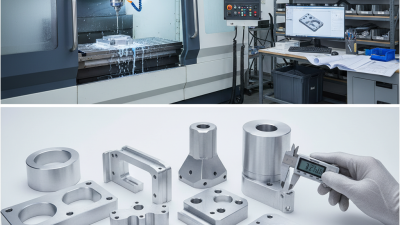
For global buyers, comparing machined aluminum parts suppliers takes more than checking equipment lists. Capability starts with your actual drawing: alloy, tolerances, finish, and annual volume. Ask whether the supplier has made similar parts, and request sample inspection data. A shop that handles thin walls may not be suited to deep cavities or tight concentricity. Specifics matter.
Quality systems should connect inspection results to each part and production lot. Ask how operators measure critical features, how often gauges are calibrated, and what happens when a dimension drifts. A first-article report can show real readings, not just a general promise of precision. Check surface finish, burr removal, and packaging too. Small oversights can damage clean edges in transit.
Lead times deserve the same scrutiny. Request separate estimates for programming, prototypes, production, and shipping, then ask which stages depend on outside processing. Confirm raw-material availability and how schedule changes are communicated. Numbers matter. I would not treat the shortest quote as the safest choice: a compressed schedule may leave little room for sample approval or correction. Compare the proposed timeline with your own review and freight windows, and leave some buffer. Suppliers may still miss a date; candid updates are more useful than confident promises.
Material capability is one useful point of comparison when evaluating machining suppliers.
Values shown are representative minimum ultimate tensile strengths for common alloy tempers and product forms; actual requirements vary by specification, thickness, and product form. Strength alone does not establish supplier quality. Also compare documented machining tolerances, inspection methods, material traceability, and confirmed lead times.
Global buyers can compare seven kinds of machined aluminum parts suppliers: precision CNC workshops, high-volume producers, prototype specialists, extrusion-and-machining shops, finishing-focused suppliers, tight-tolerance manufacturers, and export-oriented factories. Each serves a different need. A prototype shop may respond quickly to a revised drawing, while a high-volume producer may offer better unit pricing after production stabilizes. These are tendencies, not guarantees.
Check more than the headline price. Ask how the supplier controls dimensions, documents material grades, and handles surface finishing. For a small bracket, request measurements of critical holes and a clear inspection report. For repeat orders, confirm packaging, lead times, and how drawing revisions are tracked. Practical details matter. A polished capability sheet does not prove consistent output.
Compare sample parts when risk or tolerance demands it. Review machining marks, edge condition, and fit against the mating component. Also ask what happens when a part misses specification; the answer can reveal how clearly problems are handled. A low quote may exclude finishing or inspection, so clarify the scope in writing. No checklist removes every uncertainty, and supplier comparisons can feel uneven. Still, specific questions make global sourcing decisions more grounded.
| Supplier Type | Typical Strength | Common Aluminum Work | Best Fit for Buyers | What to Verify Before Ordering |
|---|---|---|---|---|
| 1. CNC Milling Specialist | Produces prismatic parts with slots, pockets, drilled holes, and contoured faces. | Milled brackets, housings, plates, and fixtures; common grades include 6061 and 7075 where appropriate to the design. | Parts with mostly flat faces and features accessible from a limited number of directions. | Ask for a drawing review, achievable tolerances for the specific geometry, inspection records, and confirmation of the supplied alloy and temper. |
| 2. CNC Turning Specialist | Efficiently machines rotational parts on lathes or turning centers. | Shafts, bushings, spacers, threaded components, and other cylindrical parts. | Components whose primary features are concentric or cylindrical, especially when repeatable production is needed. | Confirm concentricity and surface-finish requirements, thread inspection method, bar-stock availability, and whether secondary milling is available. |
| 3. Multi-Axis Machining Specialist | Can reach multiple faces or complex angles with fewer setups, depending on equipment and part geometry. | Complex housings, contoured components, and parts with features on several sides. | Designs where reducing setups may help manage alignment or handling requirements. | Request evidence that the supplier can fixture and inspect the actual part; confirm machine access, datum strategy, and quoted inspection scope. |
| 4. Prototype and Low-Volume Shop | Often suited to short runs, design iterations, and responsive engineering communication. | Machined prototypes and small batches made from plate, bar, or billet stock. | Product development, pilot builds, replacement parts, and projects with evolving drawings. | Check prototype lead-time assumptions, revision control, material traceability, and how changes after approval affect cost and schedule. |
| 5. Production-Focused CNC Supplier | Organizes repeat orders around stable processes, documented inspection, and production planning. | Recurring batches of machined aluminum components with an established design and specification. | Buyers seeking a repeatable supply arrangement rather than one-off development work. | Review capacity planning, process controls, first-article requirements, lot identification, and the supplier’s method for managing nonconforming parts. |
| 6. Sheet and Plate Machining Supplier | Works from aluminum sheet or plate and may combine cutting, drilling, milling, and finishing. | Panels, covers, mounting plates, flat brackets, and larger plate components. | Parts with broad flat sections or features that can be made efficiently from sheet or plate stock. | Confirm stock thickness and flatness requirements, edge condition, burr control, alloy certification needs, and any post-machining finishing. |
| 7. Integrated Machining and Finishing Supplier | Coordinates machining with secondary operations such as deburring, anodizing, or other specified finishes. | Components that need a finished surface or coordinated processing after machining. | Buyers aiming to manage fewer handoffs across manufacturing and finishing steps. | Clarify which operations are performed in-house or subcontracted, how dimensions are checked after finishing, and what finish specification and color limits apply. |
| Buyer note: These are general supplier categories, not named or ranked companies. Capabilities vary by facility and part design. Validate each supplier’s equipment, materials, tolerances, certifications, inspection plan, delivery terms, and export documentation against your own requirements. | ||||
Comparing aluminum part suppliers works best when the process matches the part, not just the quoted price. A CNC-focused shop suits tight bores, flat mating faces, and short production runs. Ask how it controls tool wear and verifies dimensions after anodizing, which can affect fit. Fit matters. An extrusion-and-machining supplier may suit long rails and repeated profiles, with less material waste. Request alloy and temper documentation, plus a sample cut length before approving a large order.
Sheet-metal specialists make thin covers, brackets, and formed enclosures; check bend consistency and edge finishing. For complex shapes at higher volumes, die casting followed by precision machining can lower production costs. This route may introduce porosity or require extra finishing, so inspect critical sealing surfaces. Suppliers serving aerospace applications often emphasize traceability and inspection records. Electronics-focused suppliers, by contrast, concentrate on heat sinks and thermal paths. Different priorities.
Prototype-oriented shops help when drawings are still changing, but confirm their capacity before scaling. Compare capability sheets against a real drawing: tolerances, surface finish, alloy, batch size, and delivery location. Ask for evidence. A polished sample is reassuring, but it does not prove repeatability across a full shipment. Even a capable supplier can miss a detail; specify inspection points and packaging early.
Selecting a machined-aluminum supplier means checking more than quoted price and advertised tolerances. Match the supplier’s equipment and inspection methods to your drawing: ask how they control datum surfaces, thin walls, and tapped holes. For a prototype, confirm who handles design changes and how quickly revised parts can be measured. For production, request sample inspection reports, material certificates, and evidence of repeatable process control. Details matter.
Supply-chain resilience deserves equal attention. McKinsey Global Institute’s 2020 report, Risk, resilience, and rebalancing in global value chains, estimates that companies may face a month-long supply-chain disruption every 3.7 years. The report also estimates that disruptions could cost companies 45% of one year’s profits over a decade. Ask suppliers about available machine capacity, backup processes, raw-material sourcing, and realistic recovery times. A second qualified source can help, but only if its parts meet the same specifications. I would not treat a polished audit as proof of dependable delivery; test the relationship with a small, documented order and watch how the supplier handles a real discrepancy.