Leave Your Message

Where to Buy the Best Stainless Steel Parts in China?

Buying Stainless Steel Parts in China requires more than comparing factory prices. It requires evidence, process control, and practical inspection experience. The International Stainless Steel Forum reported global crude stainless steel production of approximately 58.4 million tonnes in 2023. China represented the largest production share. That scale creates opportunity, but also inconsistency.

A 316L turned bushing may look perfect under warehouse lighting. Its material certificate, surface finish, thread accuracy, and corrosion resistance still need verification. Ask suppliers for heat numbers, PMI testing, dimensional reports, and passivation records. For critical parts, request samples before approving mass production. ISO 9001 registration helps, but it does not guarantee every batch.

Quality needs proof.

Tim Collins, Secretary General of worldstainless, described stainless steel as “a material for the future.” His observation reflects its durability, recyclability, and broad industrial use. Yet stainless steel is not automatically reliable. Incorrect machining, iron contamination, poor deburring, or unsuitable welding can damage performance. This is where experienced Chinese manufacturers can add value through CNC machining, laser cutting, forging, and controlled finishing.

The difficult part is choosing the right supplier, not finding one. Alibaba listings and attractive quotations can hide important differences. A cheaper 304 component may fail where 316L is required. A polished surface may conceal inaccurate tolerances. Even this guide has limits. Supplier capabilities change, and published claims deserve independent checking.

The best buying decision combines verified technical data, transparent communication, factory audits, and small-batch testing. This article explains where to source dependable Stainless Steel Parts in China and how to judge quality before money and production time are committed.
Where to Buy the Best Stainless Steel Parts in China?

What to Know About Stainless Steel Parts in China

China offers a wide range of stainless steel parts, but price alone is a poor buying guide. The right supplier should understand your drawing, material grade, surface finish, and tolerance requirements. Common grades include 304 and 316, yet their performance differs in corrosive environments. Ask for material certificates and verify the heat number when possible.

Details matter.

A reliable factory should explain its cutting, CNC machining, bending, welding, and polishing processes clearly. Request a sample before placing a larger order. Inspect edge smoothness, hole positions, thread quality, and visible scratches. For example, a polished fitting may look excellent under showroom lights but reveal uneven marks in daylight. That small check can prevent expensive rework.

Supplier evaluation should include more than online photos. Review production equipment, inspection records, packaging methods, and response speed. A video audit can help, though it cannot replace an independent quality inspection. Confirm drawing revisions in writing, especially when dimensions change. Mistakes happen, even with experienced teams. I have found that vague specifications often create more trouble than poor workmanship. Clear acceptance criteria, staged inspections, and realistic delivery dates make sourcing safer and more predictable. Ask who pays for rejected parts and how corrections are handled before production begins.
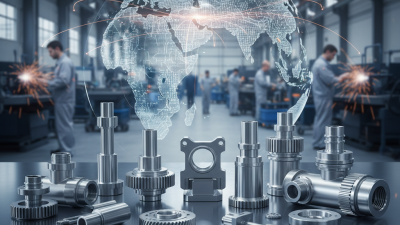
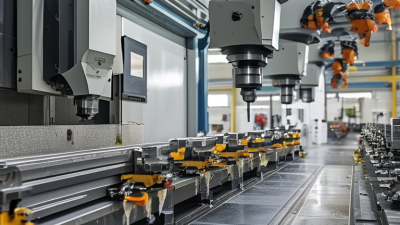
Where to Buy the Best Stainless Steel Parts in China?

Comparing stainless steel grades is an important step when sourcing precision parts in China. Chromium content helps indicate the material’s basic corrosion-resistance level, while the final choice should also consider strength, machining requirements, surface finish, and service environment.

The chart shows typical minimum chromium content for widely used stainless steel grades: 304, 316, 430, and 410. Actual chemical ranges may vary slightly by applicable ASTM or EN specification, so material certificates should be requested when purchasing parts.

How to Identify Reliable Chinese Stainless Steel Manufacturers

Finding reliable Chinese stainless steel manufacturers requires more than comparing online prices. In practice, I start by matching factory equipment to the part’s requirements. Ask for photos of laser cutters, CNC machines, welding stations, and inspection tools. A supplier making thin stamped clips may not handle large machined parts accurately. Request a sample from the actual production line, not a showroom piece. Measure hole diameter, surface roughness, flatness, and edge condition against your drawing.

Professional manufacturers explain material grades, heat treatment, tolerances, and inspection methods clearly. Ask for mill certificates, batch numbers, and a traceability process. Certificates alone are not proof. An independent inspection can compare chemical composition and dimensions before shipment. Check whether the quality team uses calibrated gauges and records defective parts. Small details matter, including labeled cartons, moisture protection, and consistent packing.

Reliable communication is another practical test. Send the same specification to several factories and compare their questions, not only their quotations. A careful engineer may ask about load, corrosion exposure, welding distortion, or annual volume. That shows useful experience. Visit the facility when possible, or arrange a live video tour of production areas. Be cautious with perfect promises. A factory admitting a limitation may be more trustworthy. My own mistake was accepting a low-cost sample before confirming production tolerance. The first batch needed rework. Written drawings, approval samples, and staged inspections would have prevented it.

Which Chinese Regions Specialize in Stainless Steel Parts

Where to Buy the Best Stainless Steel Parts in China?

China’s stainless steel industry is regionally specialized, so location matters during sourcing. Jiangsu, especially around Wuxi, is known for coils, tubes, precision cutting, and general fabricated parts. Many workshops there support custom thicknesses and small-to-medium production runs. I have found that clear drawings and material certificates reduce avoidable delays.

Zhejiang has a strong concentration of stainless steel valves, pipe fittings, fasteners, and sanitary components. Wenzhou suppliers often understand threaded, welded, and polished connection requirements. Their experience suits food-processing, water-treatment, and industrial equipment projects. However, surface finish can vary between suppliers. Request samples.

Guangdong, particularly Foshan, specializes in decorative sheets, kitchen components, laser-cut parts, and architectural stainless steel work. Local manufacturers are often skilled at hairline, mirror, brushed, and colored finishes. Shandong and nearby northern regions can be useful for larger tubes, structural components, and heavier fabrication. These regional strengths are helpful, but they are not guarantees. A capable factory may exist outside the usual cluster.

Before choosing a supplier, inspect its equipment, welding records, inspection process, and packaging method. Ask for hardness, grade, dimensional, and corrosion-related documentation when appropriate. A factory visit reveals details that photographs hide, such as crowded workspaces or inconsistent storage. I once underestimated packaging requirements, and minor scratches became a costly lesson. Supplier selection should combine regional knowledge with current evidence, not assumptions.

Where to Buy the Best Stainless Steel Parts in China? - Which Chinese Regions Specialize in Stainless Steel Parts

Chinese Region Common Manufacturing Centers Typical Stainless Steel Parts Main Regional Strength Common Materials and Grades Best Suited For Procurement Considerations
Jiangsu Xinghua and Dainan Bolts, nuts, screws, threaded rods, washers, precision turned parts and standard fasteners Large fastener supply chain with broad cold-heading, machining and finishing capacity 304, 316, 201 and 410 stainless steel; common metric and inch specifications Industrial equipment, construction, marine hardware and maintenance orders Verify tensile strength, passivation, thread accuracy and compliance with the requested standard
Zhejiang Wenzhou, Taizhou and Ningbo Valves, pipe fittings, flanges, sanitary fittings, stamped parts and machined components Strong process-equipment, plumbing and precision metalworking ecosystem 304, 316L, 321 and 2205 duplex stainless steel, depending on application Food processing, chemical processing, water treatment and fluid-control systems Check pressure ratings, surface roughness, welding quality and material traceability
Guangdong Foshan, Zhongshan and Dongguan Sheet-metal parts, laser-cut components, kitchen hardware, architectural fittings and CNC parts Fast prototyping, high finishing capability and integration with consumer-product manufacturing 201, 304 and 316 stainless steel sheet, tube and bar Appliances, commercial kitchens, furniture, architectural projects and OEM products Define grain direction, brushed or polished finish, edge treatment and cosmetic tolerances
Shanghai and Jiangsu Coastal Area Shanghai, Suzhou, Wuxi and Nantong Precision machined parts, welded assemblies, equipment frames, fabricated brackets and custom industrial components Engineering resources, export infrastructure and higher-complexity manufacturing support 304, 316L, 17-4 PH and other grades selected according to design requirements Automation, industrial machinery, laboratory equipment and engineered assemblies Usually suitable for detailed drawings, inspection plans, prototypes and controlled production runs
Shandong Jinan, Zibo and Tai'an Stainless steel plates, coils, tubes, cut-to-size blanks and welded structural parts Broad metal distribution network and strong supply of semi-finished stainless steel products 201, 304, 316L and 430 stainless steel in sheet, coil, pipe and bar forms Fabricators, metal service centers, tanks, ducts and general industrial projects Compare thickness tolerance, flatness, surface finish, mill certificates and cutting allowances
Hebei Cangzhou, Hengshui and Tangshan Pipe fittings, elbows, tees, reducers, flanges, welded pipe components and industrial supports Extensive piping and fabrication infrastructure for standard and project-based components 304, 304L, 316L and other corrosion-resistant grades specified by the project Oil and gas, water systems, construction, power and industrial pipelines Confirm dimensions, wall thickness, pressure class, welding procedure and applicable ASTM, ASME or EN requirements
Fujian Quanzhou, Xiamen and Fuzhou Cast and forged fittings, marine hardware, architectural components and custom metal parts Access to coastal logistics and experience with hardware, marine and construction applications 304, 316 and 316L stainless steel, plus application-specific forged grades Marine equipment, outdoor construction, plumbing and architectural hardware Review corrosion resistance, casting or forging quality, dimensional inspection and packaging for sea transport

Note: Regional capabilities overlap, and the most suitable sourcing location depends on the required grade, production process, quantity, tolerances, surface finish, inspection requirements and delivery route.

How to Compare Quality, Pricing, and Production Capabilities

Buying stainless steel parts in China requires more than comparing quotations. The useful question is how quality, price, and capacity interact. In factory audits, I check grade certificates, heat numbers, surface finish, dimensional records, and corrective-action history. Ask for traceability from coil or bar to packed part. A polished sample proves little. Production discipline proves more. The World Stainless Association reported 58.4 million tonnes of stainless crude steel production in 2023. That scale creates choice, but it does not guarantee consistent parts.

Compare quality through measurable requirements. Specify 304 or 316L chemistry, hardness, tolerance, roughness, weld procedures, and passivation evidence. Use ISO 9001-based controls, then verify critical dimensions with calibrated instruments. Independent tests should confirm material composition and corrosion performance when required. I would request three recent inspection reports, not one perfect sample. Small gaps often hide there.

For pricing, separate metal, machining, tooling, finishing, inspection, packaging, and freight. Track nickel exposure because alloy surcharges can change quickly. The World Bank’s Commodity Markets Outlook shows industrial-metal prices can be volatile, so fixed quotes need validity dates and adjustment terms. Capacity deserves equal attention. Review machine lists, monthly output, overtime dependence, maintenance records, and rejected-part rates. Ask for a pilot batch and a realistic ramp plan. China’s manufacturing depth is impressive, yet my comparison can still be imperfect. The lowest price may create excessive rework. Cheap is not always efficient.

How to Order, Inspect, and Import Stainless Steel Parts from China

Where to Buy the Best Stainless Steel Parts in China?

China offers a deep supplier base for machined, stamped, cast, and fabricated stainless steel parts. The International Stainless Steel Forum reported about 58.4 million tonnes of stainless crude steel production in 2023. That scale creates choice, but quality still varies between factories. Select suppliers with audited production records, clear material traceability, and experience with your required standard. Ask for samples before approving mass production. A low quote can still become expensive.

How to order, inspect, and import matters as much as supplier selection. Send a drawing with alloy grade, tolerances, surface finish, quantity, and packaging requirements. Request a formal quotation with tooling, lead time, payment terms, and Incoterms. Before shipment, review the material certificate, preferably EN 10204 3.1, and perform PMI testing when alloy identity is critical. Inspect dimensions with calibrated tools. Check threads, welds, burrs, corrosion marks, and protective packaging. The World Steel Association reported 1.89 billion tonnes of crude steel production in 2023, so certificates should never replace physical inspection.

Tips: Use an independent inspector for the first order. Confirm the HS code with a customs broker before payment. Prepare the commercial invoice, packing list, bill of lading, and origin documents. Clarify who handles import duties and port charges. I would also keep a small retained sample. It seems minor, but it helps during disputes. One weakness remains: inspection cannot repair a vague drawing. Recheck every critical dimension before production.