How to Choose the Best Metal Lathe Parts for Your Needs?
Choosing the right Metal Lathe Parts is crucial for any machining project. Each part plays a vital role in the overall functionality and precision of your lathe. Understanding their specific purposes can enhance your work significantly. Whether you are a beginner or an experienced machinist, selecting appropriate parts can be challenging.
Consider factors like material quality and compatibility. High-quality Metal Lathe Parts can improve performance but may come at a higher price. Budget constraints often lead to difficult choices. Investigating various brands and suppliers helps identify reliable options. Read reviews and seek recommendations from experts for better-informed decisions.
Balancing quality and cost is essential. Sometimes, lower-priced parts may not deliver the expected results. It is wise to invest in components that enhance durability and efficiency. Reflecting on your past experiences with different parts can guide future purchases. Overall, a thoughtful approach to selecting Metal Lathe Parts will lead to more successful projects.
Understanding the Different Types of Metal Lathe Parts Available in the Market
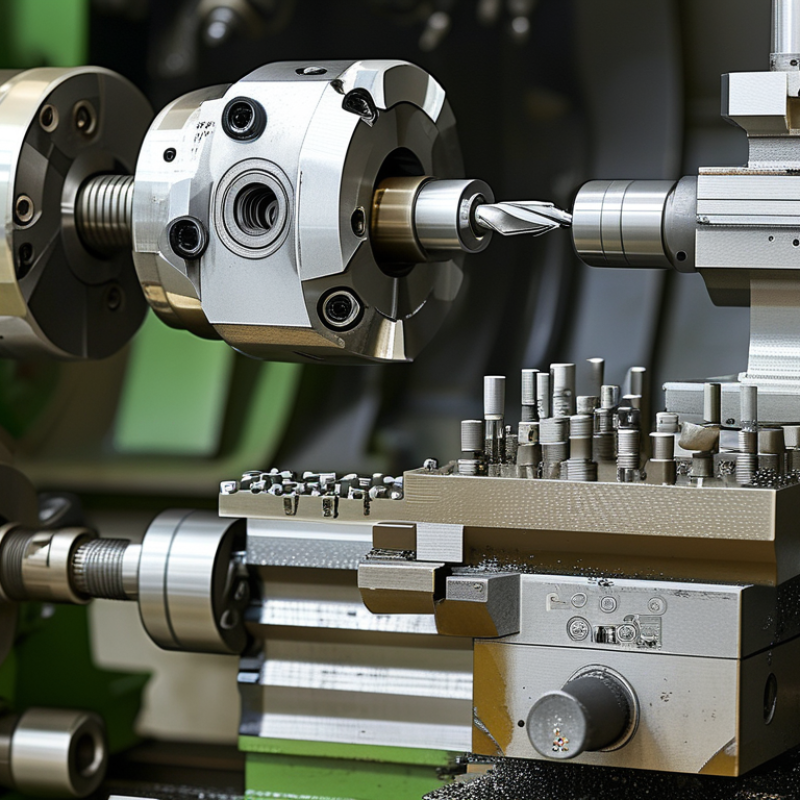
When selecting metal lathe parts, understanding their types is crucial. Metal lathes have components like chucks, tailstocks, and tool holders. Each part serves a unique purpose and influences the overall performance. For example, a three-jaw chuck is great for holding round pieces, while a four-jaw chuck offers better precision for irregular shapes.
Tip: Assess the material of each part. Steel and aluminum are common choices. Steel is durable but heavier. Aluminum is lighter and easier to handle, yet may not withstand heavy workloads. Choose based on your specific needs and projects.
Another important aspect is compatibility. Not all parts fit every lathe model. Verify dimensions and specifications before making a purchase. For someone new to machining, this can be confusing. It's easy to choose parts that seem suitable but may not work well together.
Tip: Research or ask experts about part compatibility. Online forums and local machining clubs can provide valuable insights. Knowledge from experienced users can lead to better decisions and avoid costly mistakes.
Assessing Material Quality and Durability of Metal Lathe Components
When selecting metal lathe parts, material quality and durability are critical. Components made from high-grade steel or cast iron often offer better performance. These materials withstand wear and tear, ensuring longevity. Look for parts that have undergone rigorous testing to confirm their durability under stress.
Tips: Always check for reviews on the material's performance. Seek components that are resistant to corrosion and heat. This can prevent unexpected breakdowns during intense jobs.
Understanding the manufacturing process helps. Components that are precision-engineered generally provide superior accuracy. A lathe part should maintain its shape even after extensive use. Common mistakes include choosing cheaper parts to save money. Consider the long-term implications on your lathe's performance and your projects.
Also, ensure that the components fit well with your lathe's design. Poor fit can lead to vibration issues or misalignment. Investing in quality parts may seem pricey initially, but it pays off. A durable component reduces the need for frequent replacements and repairs. Take the time to evaluate options thoroughly.
Evaluating Compatibility with Your Metal Lathe Model and Specifications
When selecting metal lathe parts, compatibility with your existing model is crucial. Each lathe has unique specifications that dictate which components will function correctly. According to industry reports, over 70% of user errors stem from incompatible parts that do not meet the original equipment specifications (OES).
Understanding the dimensions and materials of your lathe is essential. Standalone tools often cannot adapt to various attachments. For instance, a high-speed lathe may need specific bearings that standard models do not provide. Employing improper components can lead to inefficient performance and increased wear. Such issues can ultimately cost you time and financial resources.
Additionally, various manufacturers may provide vague compatibility assurances. A recent survey showed that 64% of machinists have faced difficulties finding suitable parts that meet their lathe's requirements. This inconsistency emphasizes the need for thorough research and cross-referencing specifications before purchasing components. Empowering yourself with knowledge about your machine can significantly improve your machining outcomes.
Analyzing Cost-Effectiveness and Budget Considerations for Lathe Parts
When selecting metal lathe parts, budget considerations are paramount. Quality parts can significantly affect performance and longevity. According to industry reports, spending 15-20% of your lathe's total price on components could optimize efficiency. However, investing too little might result in higher replacement costs. Choosing cheaper options may eventually lead to breakdowns, necessitating premature repairs.
Tips: Always factor in the expected lifespan of parts. A slightly higher initial investment can save you from future expenses. Compare warranties as they can provide insight into durability.
Evaluate all available options carefully. Online reviews can be misleading. Look for independent assessments about quality and performance. Additionally, trained professionals recommend sourcing parts that match your specific needs. This alignment ensures that you are not overspending on unnecessary features or under-specifying essential components.
Understanding how these factors interconnect is crucial. An informed decision not only saves money but also enhances productivity. Consider creating a small budget cushion. This flexibility will help handle any unexpected costs without derailing your project.
Exploring Supplier Reputation and Customer Reviews in the Industry
When selecting metal lathe parts, understanding supplier reputation is crucial. A supplier's history reflects their reliability. Look for companies with a strong track record in providing quality parts. Reliable suppliers often have consistent feedback from clients. These reviews can provide insights into part performance and service quality.
Tips: Check online platforms for customer experiences. Look for red flags like repeated complaints or unresolved issues. Positive reviews should highlight the durability and precision of the parts offered. Remember, not all reviews are genuine. Scrutinize them carefully to ensure authenticity.
Engage with community forums or industry networks. These spaces often share real-world experiences. You may find recommendations for suppliers who prioritize quality. Conversely, negative remarks about a supplier can guide you away from poor choices. Reflect on all feedback and make informed decisions based on overall trends rather than isolated opinions.