How to Choose the Best CNC Processing Center for Your Business?
Choosing the right CNC processing center is crucial for business success. In 2022, the global CNC machine market was valued at approximately $99.5 billion and is expected to grow by 6.2% annually. This growth indicates that the demand for precision and automation is rising rapidly. The right CNC processing center can enhance productivity and reduce operational costs significantly.
When evaluating a CNC processing center, consider factors such as accuracy, speed, and adaptability. According to industry experts, investing in high-quality equipment may lead to efficiency improvements of up to 30%. However, the initial investment can be daunting for many businesses. It’s essential to balance cost and performance to avoid overspending without receiving adequate benefits.
Furthermore, not all processing centers fit every operation type. Some may excel in specific materials but fall short in others. Identifying the unique needs of your business is vital. A poorly chosen machine could hinder production instead of streamlining it. Therefore, assessing current and future demands is crucial when selecting a CNC processing center.
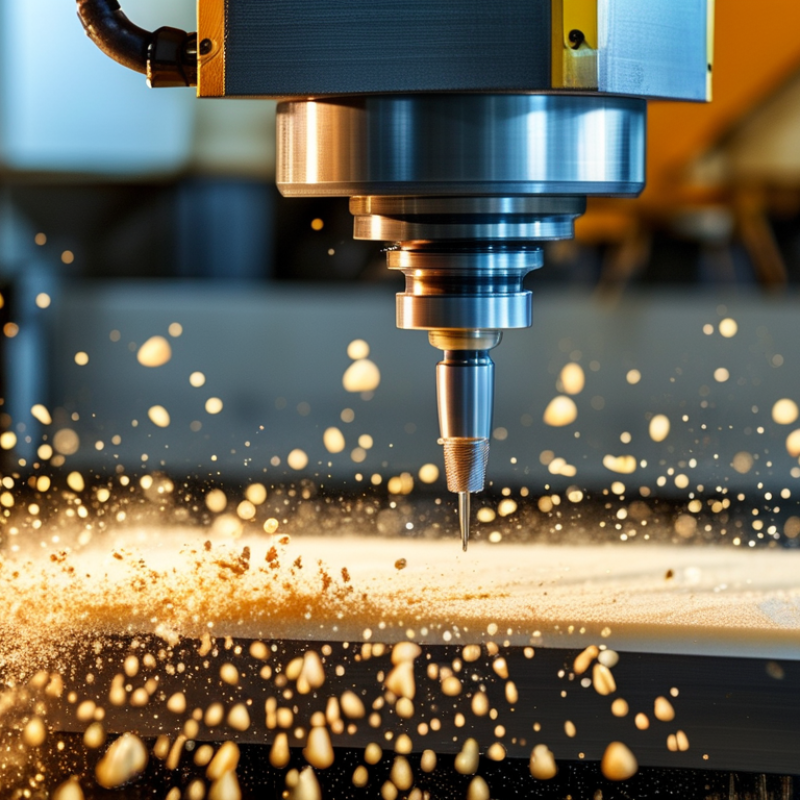
Benefits of Using a CNC Processing Center in Manufacturing Operations
CNC processing centers are a game changer in manufacturing operations. They enhance precision and speed, which is crucial in today’s competitive market. Using these machines, businesses can produce complex parts with high accuracy. This level of precision reduces waste and minimizes errors. The automated nature also decreases the need for manual labor, allowing teams to focus on more complex tasks.
One notable benefit of CNC processing is scalability. As production demands fluctuate, CNC machines can easily adapt. This flexibility is vital for businesses wanting to expand or reduce output without significant downtime. However, investing in CNC technology requires careful consideration. Companies must weigh upfront costs against long-term benefits.
Reliability is another key advantage. CNC processing centers operate consistently, producing the same result over multiple cycles. This consistency builds trust in the product quality. Yet, not all CNC centers are the same; some may require frequent maintenance. Regular check-ups and updates are essential to ensure they remain efficient. This ongoing commitment may challenge some businesses but is crucial for maximizing performance.
Key Considerations for CNC Processing Center Specifications and Features
Choosing the right CNC processing center can significantly impact your business efficiency and profitability. When evaluating specifications and features, consider accuracy and repeatability. A machining center with a precision of +/- 0.01 mm typically meets industrial standards, while some advanced systems can achieve as low as +/- 0.005 mm. This level of detail can enhance product quality and reduce waste.
Consider the machine's speed and feed rates as well. A recent report indicated that high-speed CNC machines can increase productivity by up to 30%. This is vital for businesses looking to scale operations. Pay attention to tooling compatibility as well. Systems with versatile tooling options allow for greater flexibility in production.
Tips: Always assess the software compatibility with your existing systems. A user-friendly interface can reduce training time and streamline operations.
Additionally, think about maintenance and support. Reliable maintenance can extend the life of the machine and prevent costly downtimes. Budget for both routine servicing and unexpected repairs. Reflect on whether your team has the expertise to handle advanced machines. Sometimes, investing in training may be necessary to optimize machine performance.
Evaluating the Technical Capabilities: Machining Speed, Tolerance, and Accuracy
When choosing a CNC processing center, evaluating technical capabilities is crucial. Machining speed plays a significant role in productivity. Faster machining can reduce lead times, but it may sacrifice accuracy. Many businesses face a trade-off between speed and precision. This requires careful consideration of project demands and production goals.
Tolerance and accuracy are equally important. A machine with high precision ensures tighter tolerances, which are vital for industries like aerospace and automotive. Yet, achieving high tolerance often requires more sophisticated technology. Regular calibration and maintenance are essential to ensure these standards are met consistently. Companies should also consider the skill level of their operators, as human factors can impact accuracy.
Understanding the balance between speed and precision requires reflection. Some may overlook the importance of reliable machinery. Others may prioritize speed, leading to compromised quality. It's essential to assess specific needs before making a decision. Choosing the right CNC center can enhance operational efficiency and product quality.
How to Choose the Best CNC Processing Center for Your Business?
| CNC Model |
Machining Speed (m/min) |
Tolerance (mm) |
Accuracy (mm) |
| Model A |
30 |
0.01 |
0.005 |
| Model B |
40 |
0.015 |
0.007 |
| Model C |
25 |
0.02 |
0.01 |
| Model D |
35 |
0.012 |
0.003 |
Cost Analysis of CNC Processing Centers: Initial Investment vs. Long-term ROI
Choosing the right CNC processing center is crucial for business success. The initial investment can be significant. This includes not just the price of the machine itself, but also costs for installation and training. Many companies underestimate these early expenses. A detailed cost analysis can reveal hidden costs.
Long-term return on investment (ROI) is equally important. Over time, a well-chosen CNC center can enhance efficiency and reduce labor costs. Companies often fail to consider maintenance and operational expenses. Regular upkeep can prevent downtime and costly repairs. Additionally, operational efficiency may improve productivity levels.
Balancing initial costs and long-term gains is complex. It's important to analyze specific business needs too. An expensive machine might not be necessary if lower-cost options meet your requirements. Always reflect on your situation and flexibility in production. Investing wisely can yield substantial returns, but it requires careful planning and thought.
Industry Trends: Automation and Software Integration in CNC Solutions
Automation and software integration are transforming CNC solutions. A recent report by MarketsandMarkets indicates that the CNC machine market is projected to reach $117.69 billion by 2026, driven by automation trends. Companies increasingly seek processing centers that not only boost productivity but also enhance precision and efficiency.
Integrating advanced software can streamline operations. For instance, CAD/CAM software enables seamless design to production transition. According to a survey from Industry Week, about 73% of manufacturers have reported efficiency gains from integrating software solutions. However, this shift isn't without challenges. Many businesses struggle with the learning curve associated with new systems.
Moreover, the rise of Industry 4.0 emphasizes the need for interconnected machinery. A Deloitte study found that 79% of manufacturers believe that automation is essential for staying competitive. Yet, there’s a cautionary note; rapid integration can lead to operational hiccups without proper training. Companies need to be vigilant about ensuring their workforce is equipped to handle these advancements effectively.
Trends in CNC Processing Center Features
This bar chart illustrates the importance rating of various features in choosing a CNC processing center for a business. Automation and software integration are highly prioritized, reflecting current industry trends.