2026 How to Choose the Right Cnc Machining Center?
Choosing the right CNC Machining Center is critical for any manufacturing business. A suitable machine can enhance production efficiency, precision, and overall quality. However, with numerous options available, making an informed decision can be challenging.
When selecting a CNC Machining Center, consider your specific needs and production volume. Each machine varies in capabilities, thus directly impacting your output. Look into the types of materials you will be working with. Certain machines perform better with specific materials, affecting the final product's quality.
Also, reflect on your budget. High-end machines offer advanced features but may be unnecessary for small-scale operations. Evaluate long-term maintenance costs, as these can add up. Missing the right machine could lead to inefficiencies. Therefore, extensive research and understanding of your requirements are essential. Always seek expert advice to make the best choice for your business.
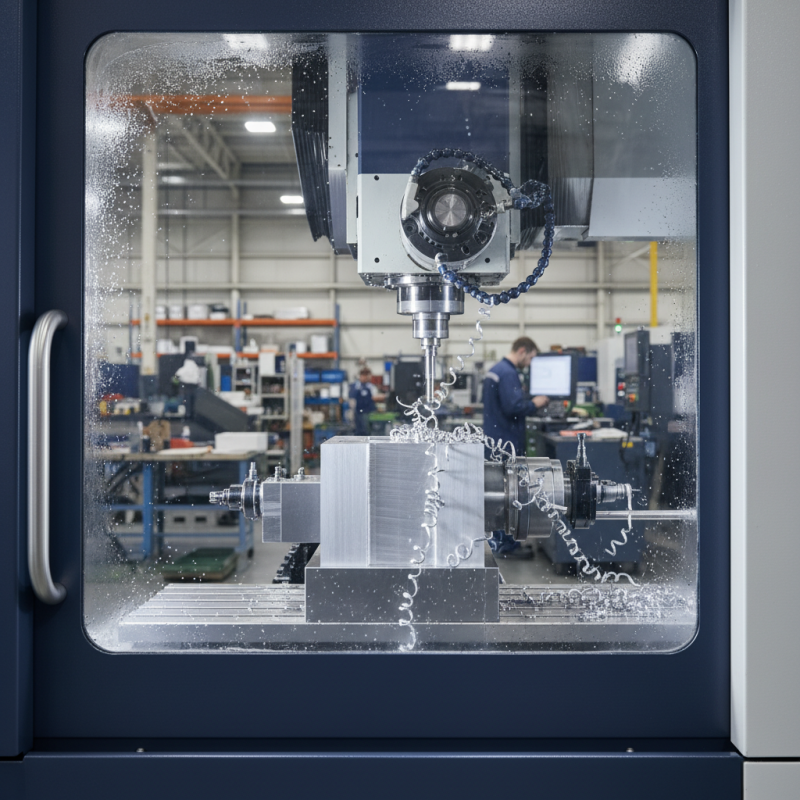
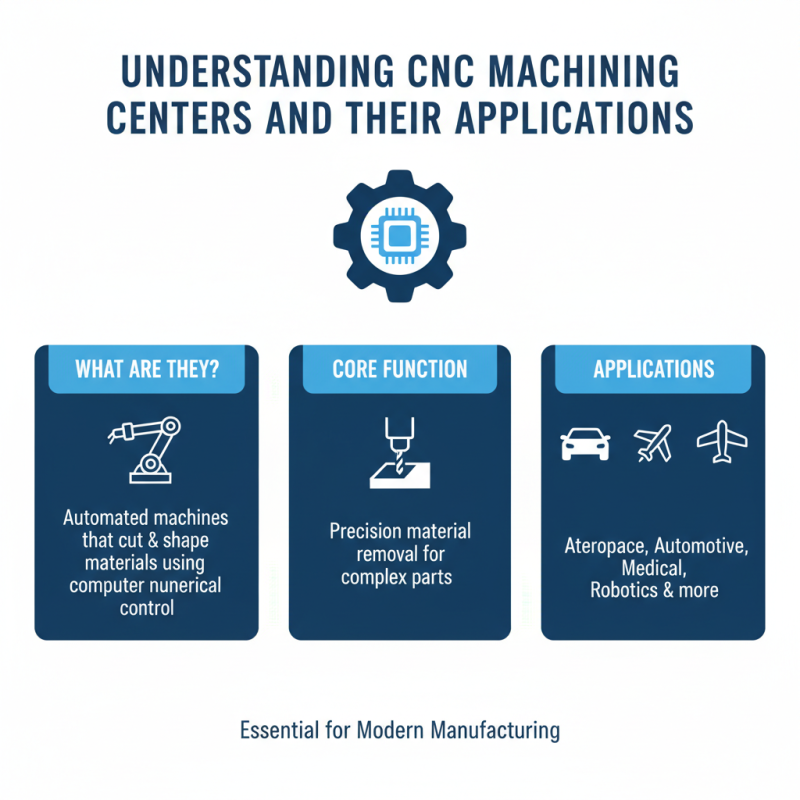
Understanding CNC Machining Centers and Their Applications
CNC machining centers are essential in modern manufacturing. They automate the cutting and shaping of materials. Understanding these machines and their applications helps in making informed decisions.
Different types of CNC machining centers exist, such as vertical and horizontal. Each type serves various purposes. For example, vertical centers are great for small to medium parts, while horizontal ones excel in larger quantities. The choice depends on the specific needs of production.
Selecting the right center requires careful consideration. Factors like material type and desired precision play a significant role. Not all machining centers are suitable for every application. Sometimes a compromise on speed or accuracy is necessary. Reflecting on these trade-offs is critical in achieving optimal results.
Key Factors to Consider When Selecting a CNC Machining Center
Choosing the right CNC machining center is crucial for maximizing efficiency in your operations. The first factor to consider is the type of materials you plan to work with. Different materials have unique qualities, which can affect machining speed and tool wear. For example, aluminum requires different settings than steel. Make sure the CNC center can handle your specific materials effectively.
Another important factor is the size and complexity of the parts you will be producing. Larger parts may need more expansive machining areas. It’s also vital to evaluate the precision and tolerance levels required for your work. High-precision parts often demand advanced CNC systems equipped with better technology.
Furthermore, don’t overlook the learning curve associated with new machines. Training staff can take time and resources. Take note of the machine's user interface and software capabilities. If it's complicated, productivity may suffer during the transition. Balancing technology and ease of use is key for long-term success. Each choice has its pros and cons; understanding them helps in making a well-informed decision.
2026 How to Choose the Right CNC Machining Center?
This bar chart illustrates the key factors influencing the decision when selecting a CNC machining center. The data represents different criteria and their importance rated on a scale of 1 to 10 based on industry insights.
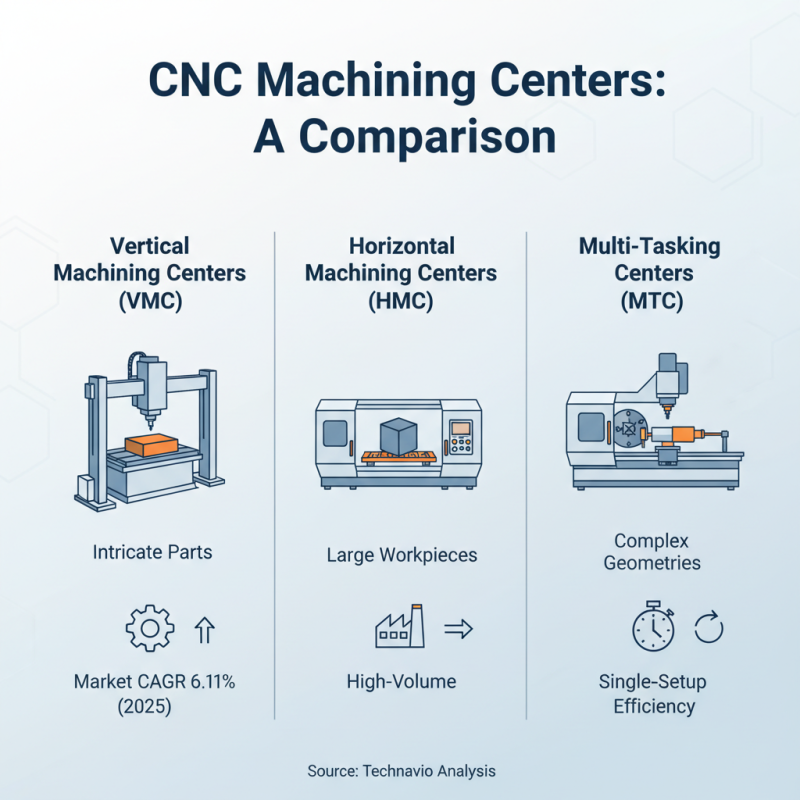
Comparison of Different Types of CNC Machining Centers
When selecting a CNC machining center, it is essential to consider the different types available. There are three main categories: vertical, horizontal, and multi-tasking centers. Each type serves specific applications. For example, vertical machining centers (VMCs) are often used in industries involving intricate parts. A study by Technavio shows that the VMC market will experience a CAGR of 6.11% through 2025. These machines excel in flexibility but may struggle with large workpieces due to their size limitations.
Horizontal machining centers (HMCs) offer faster production times and are more efficient for large parts. Their design allows for better chip removal and coolant flow. However, they tend to be more expensive than VMCs. According to a market report from Mordor Intelligence, HMCs are increasingly adopted in automotive and aerospace sectors. This uptick indicates a trend towards automation and higher volume production.
Multi-tasking machines, combining milling and turning processes, enhance productivity. On the surface, they solve space and operational constraints. Yet, they can require significant training. Mistakes may arise due to the complex programming involved. All factors considered, the right choice depends not only on your production needs but also your budget and employee capabilities. Balancing these elements may bring unforeseen challenges, making careful evaluation crucial.
Evaluating Precision and Speed in CNC Machining Centers
Choosing the right CNC machining center hinges on understanding precision and speed. Precision indicates how closely a part matches its designed specifications. According to a 2022 industry report, precision levels can significantly impact production quality. A variance of just 0.01 mm can lead to machining errors, affecting the final product’s performance.
Speed, on the other hand, relates to how quickly a machining center completes tasks. A fast machining process can enhance productivity. However, there is a trade-off between speed and precision. Achieving high speed without sacrificing precision is crucial. A survey revealed that 70% of manufacturers prioritize this balance when selecting machinery.
Tip: Consider your production volume and part complexity. High-volume, simple parts may benefit from faster machines. Complex components often require slower, more precise machining.
While evaluating, take into account the cost of ownership. Fast machines may promise better speed but often come with higher operational costs. Industry analysis shows that the total cost of ownership should not be overlooked. Reflect on long-term impacts instead of just upfront expenses. This approach might reveal more sustainable options.
Budgeting for Your CNC Machining Center Investment
When considering the investment in a CNC machining center, budgeting is crucial. It’s not just about the purchase price. Operational costs, maintenance, and training must also be factored in. These costs can add up quickly. You should consider how much you can allocate for initial expenses versus ongoing costs.
Do thorough research before diving in. Many overlook hidden fees like installation and software updates. Also, factor in the cost of materials and labor. It’s important to have a realistic view. A lower-cost machine may lead to higher long-term expenses due to inefficiencies or breakdowns.
Evaluate your production needs carefully. A high-capacity center may seem appealing, but it might not be necessary for smaller projects. It’s easy to get carried away with features. Seek expert opinions to guide your decision. Balancing upfront investment with your actual operational needs is not simple. Make adjustments as necessary. Keep revising your budget as you gather more information.