Why Do Metal Detector Parts Matter for Effective Searches?
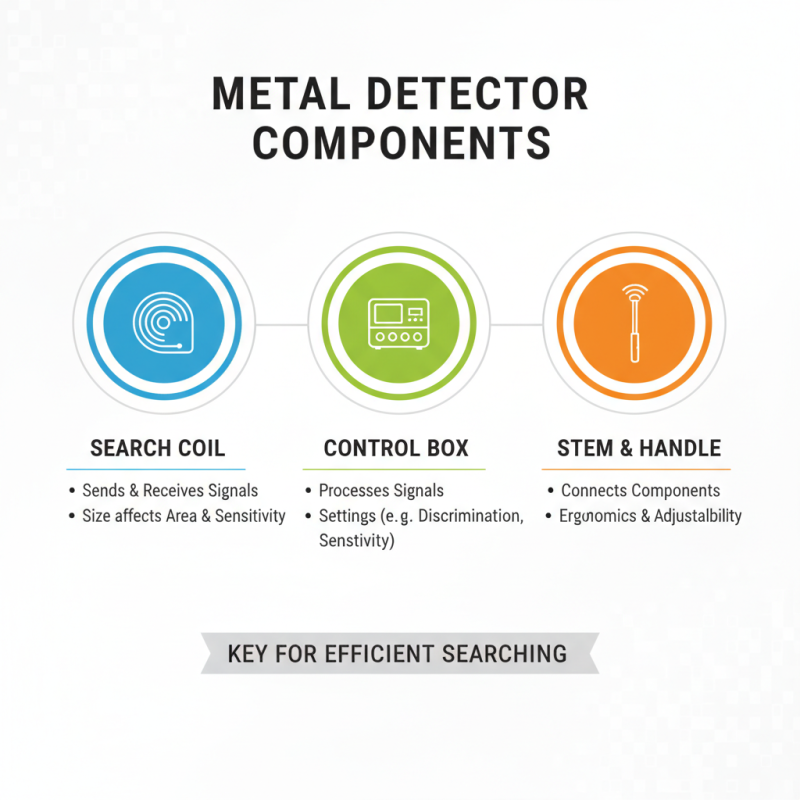
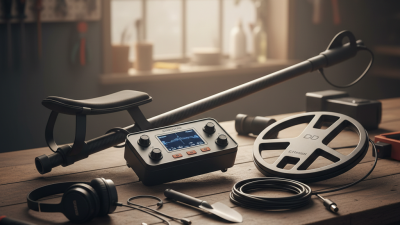
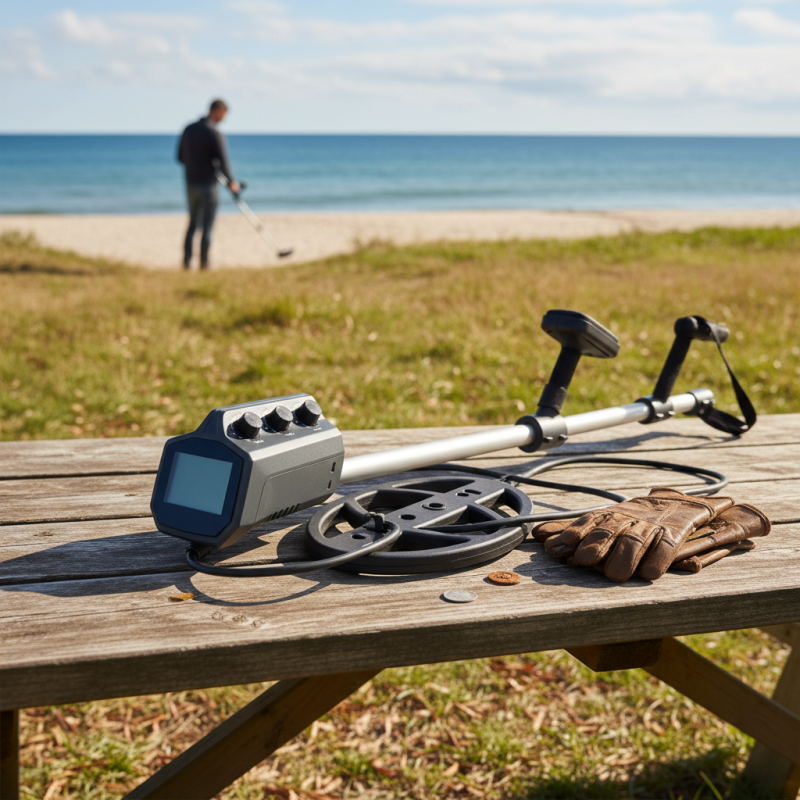
When searching for hidden treasures, understanding metal detector parts is crucial. Each component impacts the performance and effectiveness of your searches. Metal detector parts include the control box, coil, and shaft. Each part plays a unique role. The control box houses the electronics. It processes signals and controls settings. The coil, integral to detection, sends and receives electromagnetic signals. The shaft connects these elements and ensures mobility.
Choosing quality components can enhance your detection experience. However, not all parts are created equal. Some may wear out quicker than expected. Others may not function well together. It’s vital to reflect on your equipment's condition regularly. A well-maintained metal detector can make a difference. Poorly functioning components can lead to frustrating searches. It's a reminder to always consider the significance of each part. Metal detector parts don’t just support functionality; they define your success in the field. Investing time in understanding these components is essential for effective searching.
Understanding the Basic Components of Metal Detectors
Understanding the basic components of metal detectors is crucial for efficient searching. Each part plays a unique role, influencing performance and accuracy. The search coil, for instance, is vital. It sends and receives signals from the ground. A larger coil can cover more area but may miss smaller targets. The balance between size and sensitivity is often a dilemma for users.
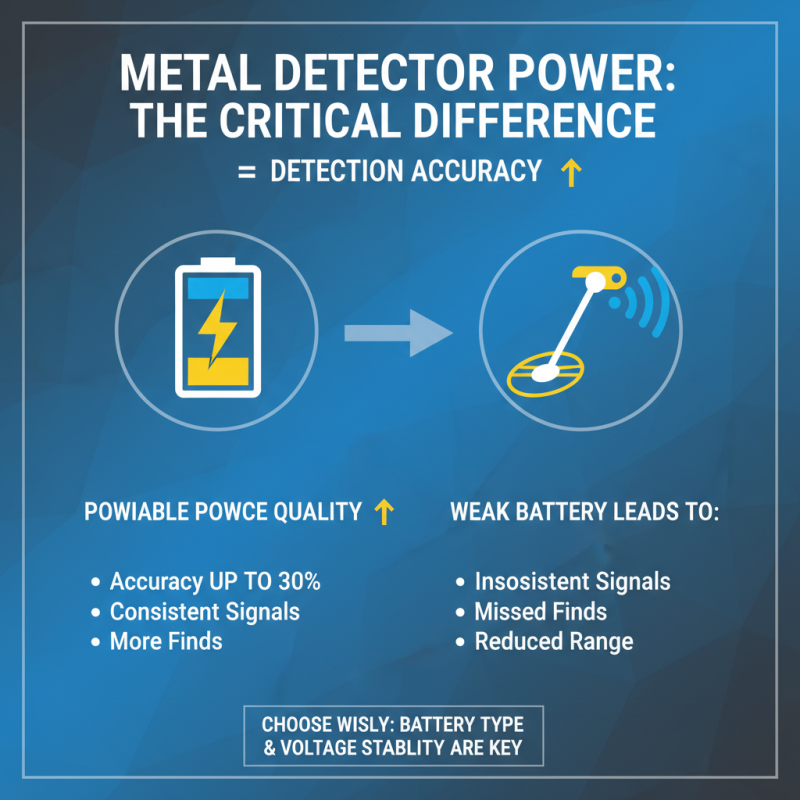
The control box houses the electronics. It processes signals detected by the coil and provides feedback to the user. If the control box malfunctions, even the best coil cannot compensate for it. Many users overlook this aspect, thinking all electronic parts are similar. Battery life is equally essential. A dying battery can lead to frustrating searches, especially in remote areas.
Finally, the shaft connects components but is often ignored. A sturdy shaft ensures stability during operation. Yet, it must be lightweight for portability. Some designs may not offer this balance, leading to discomfort. Every part impacts the efficiency of a metal detector. Ignoring any component can lead to missed opportunities during searches.
The Role of Search Coils in Detection Efficiency
Search coils are crucial for efficient metal detection. These components come in various shapes and sizes. Their design influences how deeply they can sense objects. A larger coil can cover more area but may miss smaller items. A smaller coil excels at detecting coins or artifacts buried close to the surface. This variability can change your entire search experience.
Choosing the right coil for your needs is essential. Think about the environment where you will search. Beaches, parks, or forests all demand different approaches. For instance, hunting in sand requires different tactics compared to a grassy field. Adapt your tools accordingly for better results.
Tips: Test your search coil before a big hunt. Get familiar with how it responds. Experimenting can lead to new discoveries. Also, be open to adjusting your techniques. Sometimes, changing the angle or speed of your sweep can yield surprising finds. Don’t be afraid to tweak your method as you learn. Each search teaches you something valuable.
Importance of Discrimination and Sensitivity Settings
When using a metal detector, the discrimination and sensitivity settings play a vital role. Discrimination helps users filter out unwanted metals. This is crucial for efficient searches. If the settings are too broad, valuable treasures may get overlooked. On the other hand, too much discrimination might ignore some low-value items that could lead to bigger finds.
Sensitivity adjustments can also impact your search experience. High sensitivity allows for detecting deeper objects. However, it may also pick up more interference. This can be frustrating. It’s essential to find a balance. Sometimes, you might discover nothing after an extended period. That’s a sign that settings may need to be reevaluated. Experimenting with different positions and levels can lead to unexpected successes.
Users must also reflect on their environments. The ground type, mineralization, and even weather can affect detector performance. It’s not just about the machine; understanding the surroundings matters too. Regularly tweaking settings based on these factors can enhance overall search outcomes. Each hunt teaches us something new about our tools and techniques.
Metal Detector Parts and Their Impact on Search Effectiveness
How Control Boxes Influence Metal Detector Performance
The control box of a metal detector is crucial. It serves as the brain, processing signals from the search coil. When hunting for buried treasures, its efficiency can deeply affect your success. A well-designed control box enhances detection depth and accuracy. However, not all control boxes perform equally. Some may struggle with interference, making it difficult to discern valuable finds from junk.
The user interface is also important. A clear display allows for easy adjustments. Features like sensitivity settings can greatly influence performance. A confusing interface can lead to missed opportunities. Users often overlook the importance of software updates, which can enhance functionality. Without them, a detector may not perform at its peak.
Still, it's essential to recognize that technology alone does not guarantee success. Skilled operators play a significant role. Understanding how to adjust settings based on conditions is vital. Experience will teach when a control box's limitations become apparent. Finding the right balance between technology and human skill is key to effective searching.