Why Precision Metal Parts Are Essential for Modern Manufacturing?
In today's competitive landscape, Precision Metal Parts play a pivotal role in modern manufacturing. These components are crucial for achieving high-quality standards and efficient production processes. Precise engineering of metal parts ensures that every piece fits perfectly and functions seamlessly within complex systems.
However, the reliance on these parts also poses challenges. Manufacturers must balance precision with cost and time constraints. Mistakes in design can lead to significant delays and increased expenses. The demand for accuracy requires not only advanced technology but also skilled workers who understand the nuances of metalworking. Collaboration between experts in various fields becomes essential.
Exploring the significance of Precision Metal Parts reveals a world where innovation meets necessity. As technology evolves, the importance of these components continues to grow. Manufacturers must reflect on their practices to stay ahead. Understanding the complexities involved can ultimately enhance product quality and operational efficiency.

The Role of Precision Metal Parts in Manufacturing Efficiency
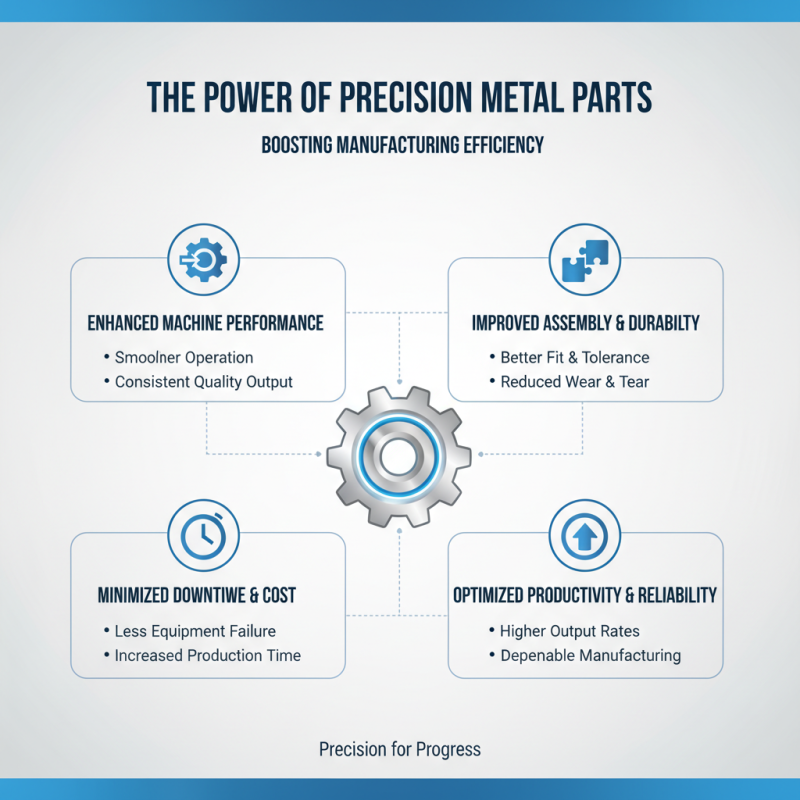
Precision metal parts play a crucial role in modern manufacturing. These components enhance the overall efficiency of production processes. They ensure that machines operate smoothly and maintain a consistent quality level. When parts are made with high precision, they fit together better. This reduces wear and tear on equipment, leading to less downtime.
The manufacturing industry increasingly relies on precision metal parts. These parts contribute to tighter tolerances in assembly. They minimize the risk of defects in the final product. However, achieving precision is not always straightforward. Manufacturing techniques can vary, and the choice of materials affects outcomes. Companies must constantly reassess their processes to improve quality.
Manufacturers face challenges in meeting the demands for precision. A small error can lead to significant issues down the line. Continual testing and quality control are necessary to avoid pitfalls. Investing in advanced tools and techniques is essential. Balancing cost with precision remains a complex task. Manufacturers must navigate this landscape carefully.
Impact of Precision Metal Parts on Product Quality and Reliability
Precision metal parts play a crucial role in enhancing product quality and reliability across various industries. According to a report by the National Institute of Standards and Technology, about 30% of manufacturing errors stem from poor-quality parts. This highlights the need for precision in manufacturing processes. Engineers often face challenges in maintaining tight tolerances. Even a small deviation can lead to significant performance issues in the final product.
In industries like aerospace and automotive, reliability is paramount. A study conducted by the American Society for Quality found that 70% of product failures result from component defects. Precision metal parts ensure that components fit and function properly, reducing these risks. Additionally, proper quality control measures can decrease production costs by up to 15%. This is vital for maintaining competitive pricing without sacrificing quality.
However, achieving precision is not without its challenges. Manufacturing processes must continually adapt to new technologies. This requires skilled personnel and ongoing training. Companies often struggle to balance quality with efficiency. It’s essential to forge a path that prioritizes both high standards and innovation. Investing in advanced manufacturing techniques may offer solutions, but organizations must regularly evaluate their processes to ensure continued success.
Advancements in Technology Driving Precision Metal Part Production
Advancements in technology have accelerated the production of precision metal parts. Automation and robotics now play a significant role. According to a recent report by the International Federation of Robotics, over 400,000 industrial robots were sold globally in 2020. This high level of automation improves efficiency and precision in manufacturing.
3D printing technology has also transformed this sector. It allows for complex geometries that traditional methods struggle to produce. A report from the Wohlers Associates reveals that the 3D printing industry grew to $12.8 billion in 2020. This huge growth indicates a demand for precision that conventional manufacturing cannot always meet.
Nonetheless, challenges persist. The need for stringent quality control remains paramount. Errors in metal part production can lead to significant setbacks. According to a McKinsey report, up to 20% of manufacturing costs stem from defects. The industry must continually adapt and find ways to minimize these risks while integrating new technologies.
Customization and Versatility of Precision Metal Parts in Various Industries
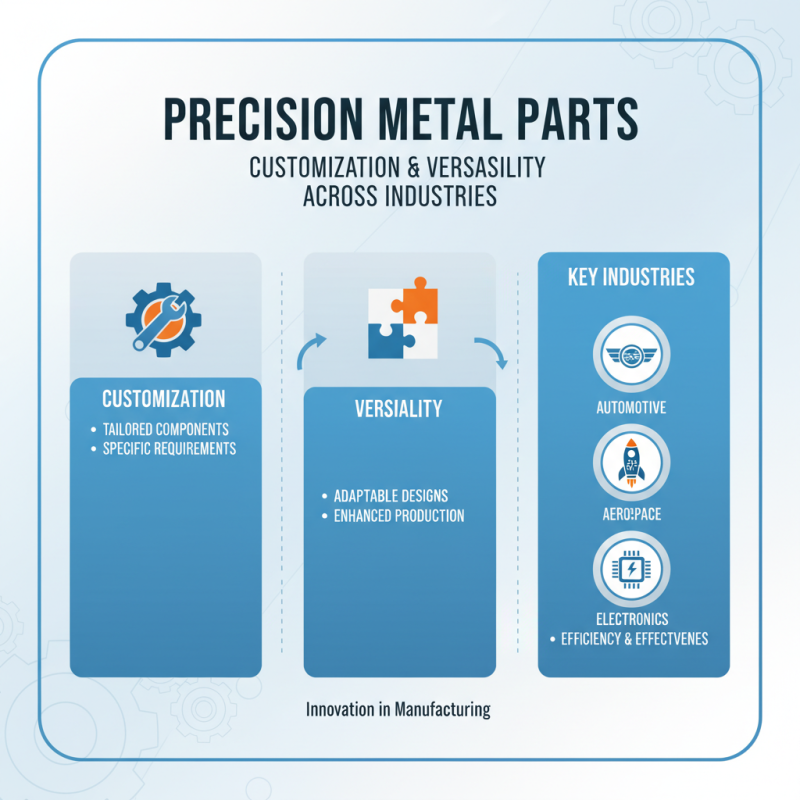
Precision metal parts play a crucial role in various industries, offering customization and versatility. Manufacturers can create components tailored to specific requirements, ensuring efficiency and effectiveness. This adaptability is key in sectors like automotive, aerospace, and electronics. Each industry benefits from the ability to modify designs based on exact needs, enhancing overall production processes.
In automotive manufacturing, for instance, precision parts improve performance and reliability. These components can be designed to fit seamlessly into complex assembly lines. Their unique specifications often address specific challenges faced during production. In aerospace, stringent regulations demand high precision levels. Custom parts help meet these regulations while maintaining safety and performance standards.
The versatility of precision metal parts extends even to medical devices. These items must meet specific tolerances for functionality and safety. A design flaw can lead to significant issues. Such challenges highlight the need for continuous improvement in manufacturing practices. Adapting to new technologies is essential for maintaining quality and innovation.
Economic Benefits of Investing in Precision Metal Parts for Manufacturers
Investing in precision metal parts is crucial for manufacturers. According to industry reports, companies utilizing precision components see a 30% reduction in material waste. This improvement translates directly to cost savings, which can then be reinvested into innovation or productivity enhancements. Additionally, precision parts can improve product quality and reliability, leading to increased customer satisfaction.
One notable benefit is the reduction in rework costs. A study by the Manufacturing Institute revealed that every dollar spent on precision manufacturing can yield returns of up to $4. This figure highlights the economic advantages of prioritizing high-quality components. It is essential to balance cost and quality. Sometimes, cheaper options lead to higher long-term expenses due to potential failures.
Tip: Always assess the total lifecycle cost of your components. Consider factors like durability, performance, and the potential need for replacements. Invest in parts that align with your specific manufacturing needs. This thoughtful approach can yield significant returns on investment and enhance your market competitiveness.
Economic Benefits of Investing in Precision Metal Parts