How to Source Precision Metal Parts at Canton Fair 2026?
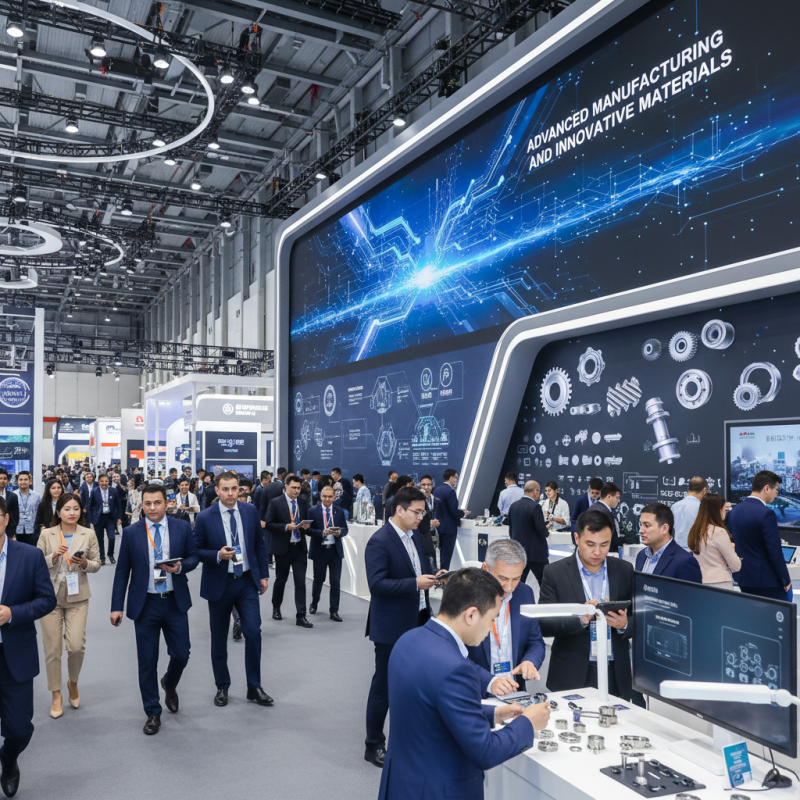
The 2026 Canton Fair presents a significant opportunity for sourcing precision metal parts, with the event scheduled from April 15 to May 5. This year marks the 139th edition, focusing on advanced manufacturing and innovative materials. According to industry reports, the global precision metal parts market is expected to reach $150 billion by 2025, driven by rising demand in various sectors.
AI-enabled features at the fair will enhance sourcing efficiency. Buyers can quickly identify suppliers that meet specific qualifications, such as ISO or CE certifications. This cutting-edge technology is new to the fair, aiming to improve navigation across the 1.55 million square meters of exhibition space. However, challenges may still arise in supplier evaluations.
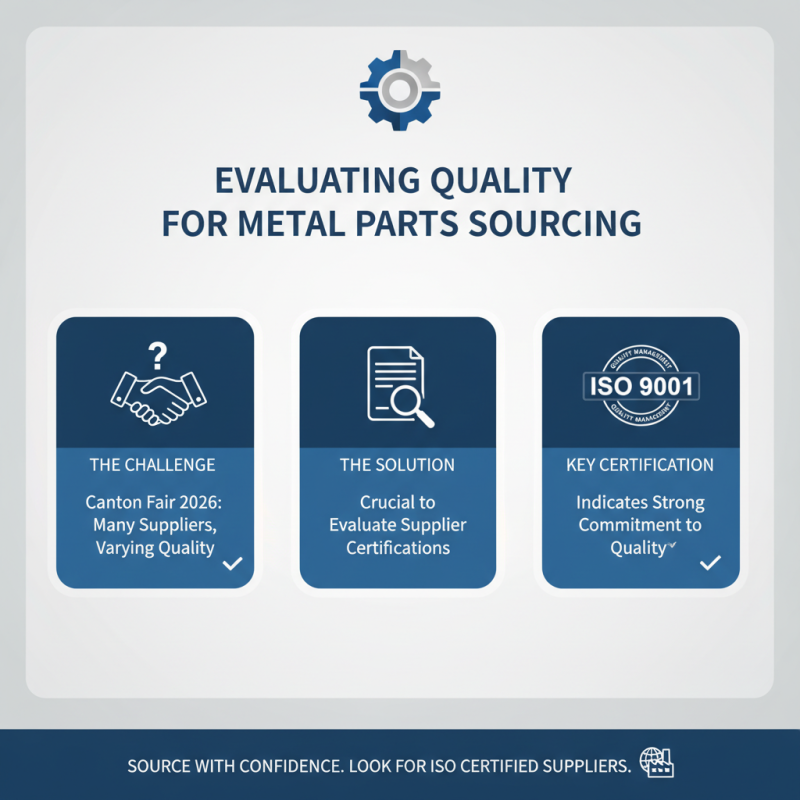
While the fair is promising, potential pitfalls exist. Not all suppliers may uphold the expected quality standards or certifications. Some buyers might find it overwhelming to sift through numerous options. Keeping a clear focus on specific needs is crucial for successful sourcing. Engaging with suppliers and asking detailed questions will help mitigate risks.
Understanding the Importance of Precision Metal Parts in Manufacturing
Precision metal parts are essential in various industries. They directly impact quality and performance. According to a recent report by Grand View Research, the global precision metal parts market could reach $240 billion by 2026, demonstrating their importance in manufacturing. The automotive sector is a significant consumer, accounting for about 30% of the market share. This demand drives the need for high-quality, reliable components.
However, sourcing these parts can be challenging. Many manufacturers struggle with quality control. In reality, not every supplier can meet the stringent specifications required for precision components. The complexity of product designs adds to this issue. A study by MarketsandMarkets highlighted that 60% of manufacturers faced difficulties in finding reliable precision parts suppliers. This is an aspect that requires careful consideration at trade shows like the Canton Fair.
Understanding materials and production processes is crucial. Metal types, such as stainless steel and aluminum, offer different properties that affect durability and weight. When sourcing, consider both material quality and production capabilities. It is easy to overlook details in these areas, but they are critical for building long-lasting products. A mindful approach to sourcing can prevent costly mistakes down the line.
Identifying Trusted Suppliers for Precision Metal Parts at Canton Fair
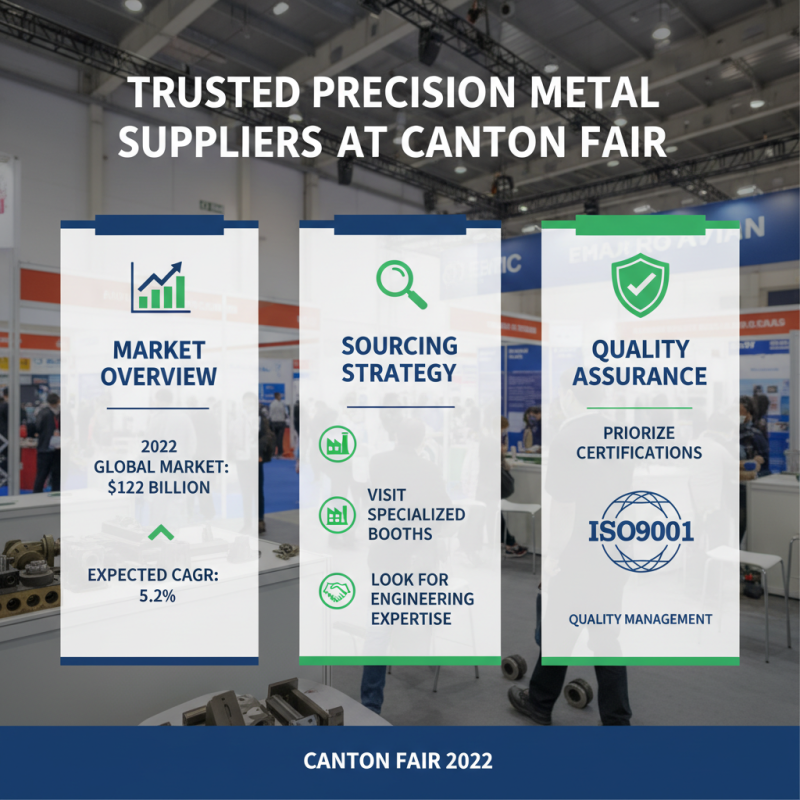
Identifying trusted suppliers for precision metal parts at the Canton Fair requires diligence and strategy. In 2022, the global market for precision metal components was valued at $122 billion, with an expected CAGR of 5.2%. This growth underscores the importance of sourcing high-quality suppliers. Start by visiting the booths of companies that specialize in precision engineering. Look for suppliers with certifications, such as ISO 9001, which indicates a commitment to quality management.
**Tip:** Always request samples before placing large orders. This helps assess the quality of their products firsthand. Not all suppliers maintain consistent quality across batches. Engaging with suppliers face-to-face can also reveal their expertise and manufacturing capabilities. Pay attention to their production processes during your visit. Not every supplier demonstrates best practices in manufacturing, and it's essential to make informed choices.
Evaluate feedback from other clients as well. Online reviews can offer insights into a supplier's reliability. Remember, a shiny booth does not guarantee quality. Many suppliers may use flashy marketing without delivering results. Cultivating a relationship with trustworthy vendors can lead to better communication and improved service in the long run. Quality sourcing is a journey. Sometimes, it's necessary to reassess your supplier relationships based on their performance over time.
Navigating Product Categories and Specifications for Metal Parts at the Fair
Navigating the myriad of product categories at the Canton Fair requires a keen understanding of the specifics involved in sourcing precision metal parts. According to a recent industry report by Grand View Research, the global metal parts market is expected to reach $18 billion by 2027. This reflects an annual growth rate of 4.5%. Such data highlights the importance of effective sourcing strategies.
At the fair, you’ll encounter many categories. These include CNC machining and die-casting components. Precision components often need very specific tolerances. Buyers must carefully assess specifications. Recent studies indicate that over 70% of sourcing failures stem from miscommunication regarding these details. It’s crucial to ask precise questions. Clarity is essential.
Many exhibitors showcase a range of materials: aluminum, stainless steel, and brass. Each offers unique properties. Aluminum is lightweight but may lack strength. Stainless steel is durable but can be expensive. Finding the right balance is key. Without attention to detail, you may leave with parts that don’t meet your needs. Engaging with suppliers allows deeper insight into their manufacturing capabilities. Don't overlook variations that can affect quality or delivery times. Each decision requires thoughtful consideration.
Tips for Effective Negotiation and Price Assessment at Canton Fair
When sourcing precision metal parts at the Canton Fair, effective negotiation is key. Start by doing your homework. Research the market prices and understand the average rates for the parts you need. Having this information helps in discussions. Remember, suppliers expect some back-and-forth during negotiations. Don't rush; take your time to assess their offers.
Establish a clear budget before engaging with suppliers. This gives you a strong position while discussing prices. Ask detailed questions about material quality, production capabilities, and delivery times. Listen carefully to their responses. Sometimes, the answers reveal hidden costs or potential issues. It’s okay to show hesitation; it can lead to better offers.
Be prepared for cultural differences. Negotiation styles vary widely in different regions. Some suppliers may push hard for higher prices or terms. Approach these situations with patience. Maintain a balance between firmness and flexibility. If an offer seems off, ask for clarification. This not only shows you are knowledgeable, but it also opens up more dialogue.