How to Source High Quality Brass Parts for Your Business?
Sourcing high-quality brass parts is critical for many industries, from automotive to plumbing. The global brass parts market is expected to reach $24 billion by 2025, driven by rising demand for durable, corrosion-resistant materials. As industry expert Dr. John Atwood notes, "Quality in brass parts is not just about aesthetics; it impacts performance and longevity."
To ensure reliability, businesses must consider multiple factors when sourcing. This includes evaluating suppliers’ manufacturing processes and material standards. According to a recent report by McKinsey, 70% of businesses found that a strong supply chain is essential for maintaining high quality in their products. Yet, many companies still struggle with inconsistencies in their sourcing, leading to costly setbacks.
Navigating the brass parts industry requires careful attention. Not all providers meet the same standards. Companies must be vigilant, verifying certifications and quality assurance processes. Establishing strong relationships with trusted suppliers can mitigate risks. The journey toward finding the best brass parts may not be straightforward, but the rewards can significantly enhance product quality and customer satisfaction.
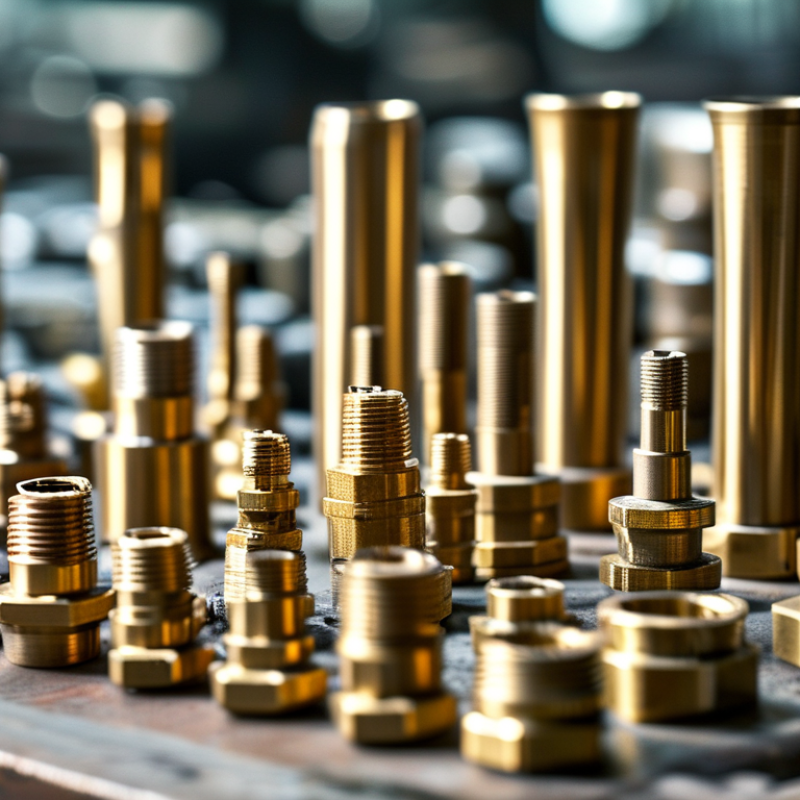
Understanding the Importance of Quality Brass Parts for Your Business
Brass parts are vital for various industries, including automotive and electronics. The quality of these components can directly impact product performance and longevity. According to a recent industry report, about 30% of failures in mechanical systems are attributed to subpar materials. This statistic underscores the need for sourcing high-quality brass parts.
Quality brass parts offer durability and corrosion resistance, which are critical for functional reliability. The Brass and Copper Alliance emphasizes that using high-grade materials can improve efficiency by up to 20%. However, not all suppliers guarantee this level of quality. It's essential to verify certifications and conduct thorough assessments.
Many businesses overlook the significance of sourcing decisions. A poorly chosen part can lead to costly recalls and damage to brand reputation. According to a survey, 40% of manufacturers reported increased operational costs due to low-quality components. It’s crucial to engage in diligent supplier vetting and maintain quality control protocols to mitigate these risks. Investing time in sourcing high-quality brass parts may yield significant returns in reliability and customer satisfaction.
Identifying Reputable Suppliers for High-Quality Brass Parts
When sourcing high-quality brass parts, identifying reputable suppliers is crucial. A recent industry report revealed that 40% of manufacturing delays are due to substandard components. This emphasizes the need for suppliers who adhere to strict quality standards. Look for suppliers who have been in the industry for several years and possess certifications that verify their quality assurance processes.
Tips: Always request samples to evaluate the craftsmanship. Testing the materials’ durability helps in making informed decisions. Another key point to consider is the supplier's ability to meet your volume demands without compromising quality. A reliable supplier should show evidence of their production capabilities and past performance metrics.
It's important to remember that not all suppliers are equal. Some may offer low prices, but that can reflect inferior quality. A study found that while 80% of companies prioritize price, only 20% focus on quality. This mismatch often leads to increased long-term costs due to rework and replacement. Investing time in sourcing the right supplier will pay off significantly in the overall performance of your products.
Evaluating Brass Parts Specifications and Standards
When sourcing high-quality brass parts, evaluating specifications and standards is crucial. Brass parts may differ in alloy composition, finish, and tolerances. Understanding these specifications ensures you select parts that meet your business's needs. Pay attention to the percentage of zinc in brass, as it affects durability and corrosion resistance.
Tips: Always request material certifications. These documents guarantee that parts comply with industry standards. Examine the surface finish carefully; it impacts both aesthetics and function.
Quality control measures are also important. Look for manufacturers who implement stringent testing protocols. This gives you confidence in the reliability of the parts. Even small variations in specifications can lead to significant performance issues. Thus, evaluating these details should not be an afterthought.
Consider how design influences performance. While aesthetics matter, functionality should be your priority. Ensure the parts fit seamlessly into your applications. Revisiting your sourcing criteria regularly can lead to better product outcomes over time.
How to Source High Quality Brass Parts for Your Business?
| Specification |
Standard |
Material Properties |
Common Applications |
Quality Certification |
| C36000 |
ASTM B271 |
Brass alloy, good corrosion resistance |
Fittings, valves |
ISO 9001 |
| C37000 |
ASTM B16 |
High ductility, easy to machine |
Electrical components |
RoHS Compliant |
| C46400 |
ASTM B21 |
Good strength, excellent corrosion resistance |
Marine hardware |
AS9100 |
| C27000 |
ASTM B36 |
Good thermal conductivity |
Heat exchangers |
ISO 45001 |
| C28000 |
ASTM B32 |
Good machinability, appropriate for casting |
General engineering |
ANSI/ISO 9001 |
Comparing Costs: Quality vs. Price in Sourcing Brass Parts
When sourcing brass parts, the cost often clashes with quality. Many businesses face the dilemma of choosing cheaper options versus investing in high-quality materials. According to a 2022 industry report, companies that prioritize quality often experience lower failure rates, leading to long-term cost savings.
In a recent survey, 68% of manufacturers indicated that sourcing quality brass parts reduced maintenance expenses. High-quality materials often enhance performance and durability. However, sourcing these materials can be more expensive upfront. This brings into focus the true cost of low-quality alternatives. The initial savings might be attractive, but they can lead to increased replacement costs and downtime later.
Quality brass parts may come at a premium, but the value of reliability is hard to quantify. The intrinsic benefits often outweigh the price difference. For example, using premium-grade brass can improve product longevity. Yet, many businesses still overlook this in favor of lower prices. Encouraging deeper discussions about sourcing strategies might highlight this often-ignored perspective. Quality and price are not mutually exclusive, but finding the right balance is critical for success.
Establishing Long-Term Relationships with Brass Suppliers
Building long-term relationships with brass suppliers is essential for consistent quality. Start by visiting suppliers to assess their facilities. Look for signs of efficiency and quality control. Discuss your specific needs openly. This leads to clearer expectations.
Trust is built through communication. Regular check-ins can help resolve issues before they escalate. Provide feedback on products. This demonstrates your commitment to improvement. A strong relationship often results in better pricing and priority during high-demand periods.
Consider a partnership approach. Share your business goals with the supplier. They may offer insights based on their experience. Sometimes, challenges arise; suppliers may face shortages or delays. Be understanding and work together to find solutions. This collaborative spirit fosters loyalty and reliability.
Quality of Brass Parts Sourced from Various Suppliers