How to Source High Quality Steel Parts for Your Needs?
In the competitive landscape of manufacturing, sourcing high-quality steel parts is crucial for success. According to industry expert John Smith, "The right steel parts can make or break a project." His insight underscores the necessity of selecting reliable materials for any construction or production endeavor.
Many businesses face challenges when sourcing steel parts. Some struggle to balance cost and quality, while others lack access to trusted suppliers. This difficulty can lead to delays and increased expenses. Understanding where to find reputable sources for steel parts is essential for any project’s longevity and performance.
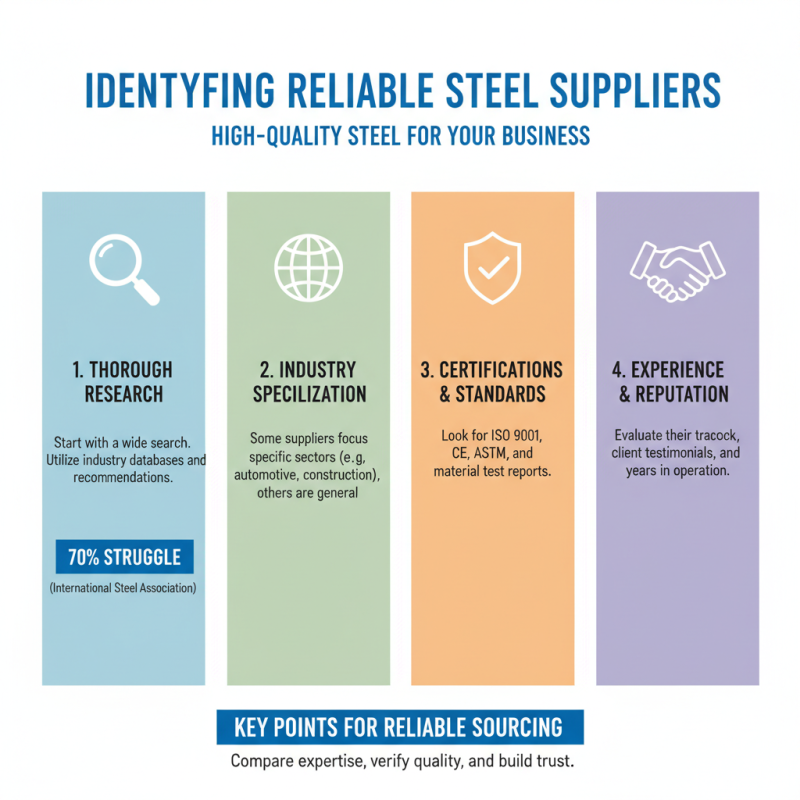
Conducting thorough research is vital. It helps businesses identify suppliers with solid reputations and high-quality steel offerings. Engaging with experienced professionals can provide valuable insights. As companies dive into this search, they must remain vigilant, as not every supplier meets the mark. Attention to detail and careful consideration can make a significant difference in the final product’s integrity.

Understanding Your Requirements for Steel Parts
When sourcing high-quality steel parts, understanding your requirements is crucial. Every project has unique needs that should guide your choices. Start by defining the specifications, such as dimensions, weight, and intended use. This clarity will help avoid potential mismatches.
Tips:
Analyze the environment where the steel parts will be used. Factors like temperature, moisture, and load can impact the steel's performance. Always take these into account.
Research various steel grades and their properties. Not all steel is created equal. Some might resist corrosion better, while others are stronger under stress. It’s essential to match the steel grade with your specific application.
Tips:
Don’t hesitate to consult experts in metallurgy or fabrication. Their insights can help illuminate issues you might not have considered initially. A fresh pair of eyes can prevent costly mistakes in your selections.
Trustworthy suppliers are essential for obtaining high-quality steel parts. Look for those with a solid track record and positive reviews. Building a relationship can foster better communication and reliability in future projects.
Evaluating Material Specifications and Certifications
When sourcing high-quality steel parts, evaluating material specifications is crucial. Understand the different grades of steel. Each grade has unique properties, including strength, corrosion resistance, and machinability. It's essential to align these specifications with your project requirements. Review the technical data sheets carefully. They provide valuable information about tensile strength, yield strength, and ductility.
Certifications also play a vital role in ensuring quality. Look for industry-standard certifications. These ensure that the steel parts meet specific criteria. Common certifications, such as ISO 9001, indicate adherence to quality management systems. However, not all suppliers display their certifications prominently. It’s important to request this documentation directly.
Quality cannot be compromised. Sometimes, suppliers may promise high standards but deliver subpar products. Conducting thorough research on their reputation is crucial. Check references and past projects to assess their reliability. Engaging in discussions with engineers or industry peers can provide additional insights. In sourcing, it's about the balance of quality, cost, and trust. Reflecting on these factors can lead to better decision-making.
Steel Parts Quality Evaluation
This chart represents the evaluation of different steel parts based on their material specifications and certifications. The quality score is based on the following criteria: tensile strength, corrosion resistance, and compliance with industry standards.
Assessing Manufacturing Processes and Quality Control
When sourcing high-quality steel parts, assessing manufacturing processes is crucial. Different processes yield varying quality outcomes. Methods like forging, machining, and casting each have unique advantages. Forging generally produces stronger parts while casting allows for complex shapes. Understand the specifics of each method to make informed decisions.
Tips: Visit manufacturing facilities if possible. Observing the processes can reveal potential quality concerns. Ask about the materials used. Insist on transparency.
Quality control ensures consistency. Look for manufacturers that implement rigorous testing protocols. Common practices include tensile testing and ultrasonic inspections. Regular audits of their processes show commitment to quality. Trustworthy manufacturers will readily share their quality checks.
Tips: Request documentation of past quality tests. Documentation builds confidence. Don't hesitate to inquire about failure rates. High-quality parts should have minimal defects.
Negotiating Pricing and Delivery Terms Effectively
Negotiating pricing and delivery terms can be challenging. It’s essential to start with a clear budget. Know your ideal price range before entering discussions. This information helps you gauge reasonable offers. Don’t be afraid to ask for discounts or flexible payment terms. Suppliers appreciate clients who understand their budgetary needs. This mutual understanding can lead to better deals.
Timing matters significantly in negotiations. Discuss delivery schedules early. An expedited delivery might cost more, but it could be worth the investment. Communicate your deadlines clearly to the supplier. Gaps in understanding can lead to frustration later. Be prepared to compromise on delivery if it means securing a better price.
Document everything during negotiations. Written agreements help prevent misunderstandings. Ensure both parties are on the same page about prices, quantities, and delivery timelines. This practice builds trust and accountability. If issues arise later, you can refer back to the document. Negotiating effectively takes practice and reflection. Learning from past negotiations can sharpen your skills for the future.