Why Choose Aluminum CNC Machining Parts for Global Sourcing?
Why Choose Aluminum CNC Machining Parts for Global Sourcing?
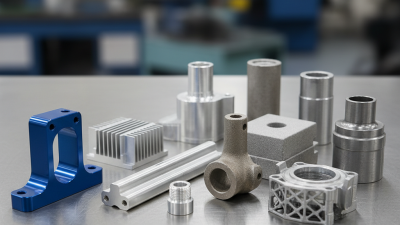
Global manufacturers increasingly need parts that balance low weight, strength, accuracy, and predictable delivery. Aluminum CNC machining meets these demands across aerospace, automotive, electronics, medical equipment, and industrial automation. Aluminum Cnc Machining Parts can reduce assembly weight while supporting tight tolerances and complex geometries. They also offer strong corrosion resistance and efficient heat dissipation.
The International Aluminium Institute reports that approximately 75% of all aluminum ever produced remains in use today. This figure highlights aluminum’s durability and recycling value. Grand View Research valued the global CNC machine market at approximately USD 83.99 billion in 2023. It also projects continued growth through 2030. These figures show why buyers are examining machining capacity, not merely unit price.
The details matter.
Heidi Brock, president and CEO of The Aluminum Association, states, “Aluminum is infinitely recyclable.” That principle supports long-term sourcing strategies, but it does not guarantee responsible production. Buyers still need verified material certificates, stable alloy specifications, dimensional inspection reports, and clear quality systems. ISO 9001 certification can strengthen supplier confidence. AS9100 may be essential for aerospace programs.
In practical sourcing, a 6061-T6 bracket should arrive with consistent hardness, clean tool marks, and documented inspection results. A supplier’s shipping promise means little without capacity evidence and contingency planning. This is where experience matters. Engineers should compare machining tolerances, surface finishes, packaging methods, lead times, and communication quality.
The choice is not automatic.
Aluminum Cnc Machining Parts can deliver excellent global value, yet poor supplier qualification can erase those advantages. A careful evaluation remains necessary.
What Are Aluminum CNC Machining Parts?
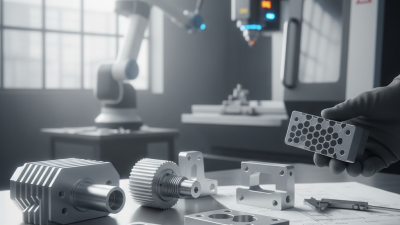
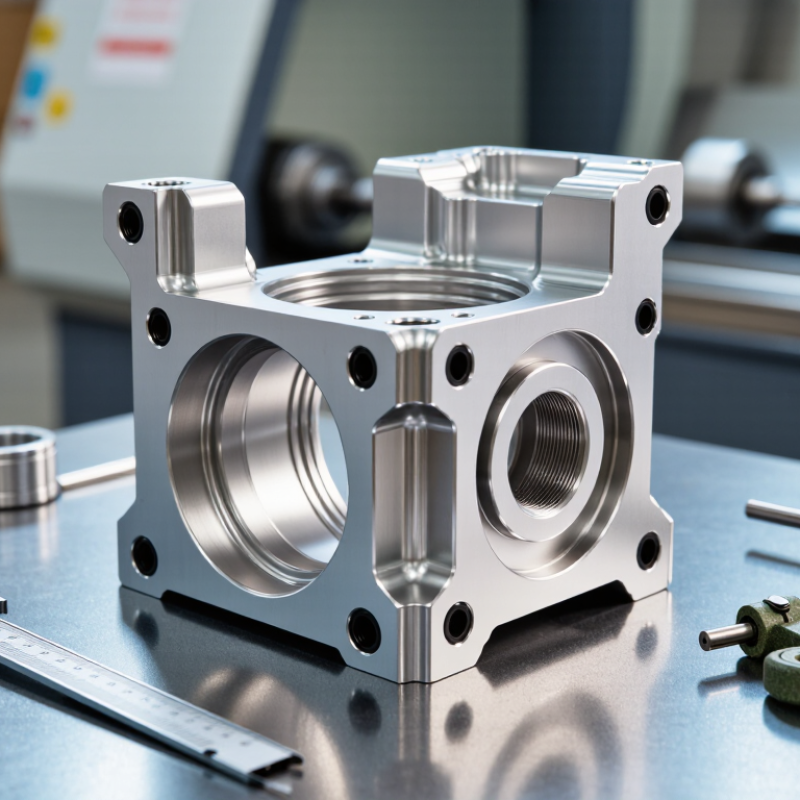
Aluminum CNC machining parts are components shaped from aluminum stock by computer-controlled cutting tools. Unlike molded pieces, each part begins with a digital model and a measured block, plate, or bar. The machine removes material with mills, drills, or turning tools until the required geometry appears. Geometry can be simple. Or surprisingly intricate.
Aluminum is popular because it combines low weight, corrosion resistance, and good machinability. Common alloys offer different balances of strength, hardness, and surface quality. A machined housing may include thin walls, threaded holes, pockets, and precise mounting faces. After cutting, the part may receive deburring, polishing, anodizing, or another specified finish. However, finishing does not repair poor machining. A small burr around a 6 mm hole can still affect assembly.
In practical production reviews, inspection usually checks dimensions, hole locations, flatness, and visible defects. Material certificates and measurement reports also help confirm consistency across international orders. Still, aluminum is not automatically the best choice. Thin sections can distort, and unsuitable cutting settings may leave tool marks or sharp edges. A reliable sourcing process should identify the alloy, temper, tolerances, surface treatment, quantity, and inspection method before production begins. Drawings should be clear. Assumptions create expensive surprises.
How Is Aluminum CNC Machining Performed?
Aluminum CNC machining begins with a digital model and a clearly defined drawing. Engineers review wall thickness, hole sizes, tolerances, and surface requirements before cutting metal. The machinist then selects an aluminum grade suited to strength, weight, and corrosion needs. Material certificates can support reliable global sourcing. They also reduce uncertainty between suppliers.
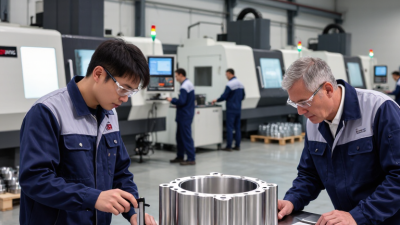
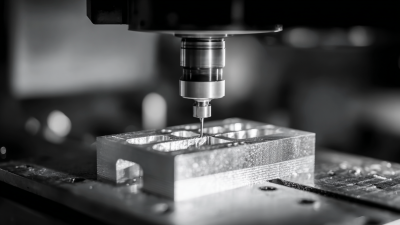
A saw cuts the stock slightly above the required dimensions. The workpiece is clamped firmly inside a CNC milling or turning machine. Software converts the model into toolpaths, controlling cutting speed, feed rate, and tool movement. Roughing removes most excess aluminum quickly. Finishing passes create accurate edges, bores, pockets, and visible surfaces. Coolant or air clears chips and limits heat buildup. Sharp tools matter. Dull tools may leave burrs, chatter, or uneven walls.
After machining, operators deburr the part and clean its surfaces. Inspectors check critical features with calipers, micrometers, gauges, or coordinate measuring equipment. A sample inspection may not reveal every production risk, especially when fixtures wear over time. Experienced suppliers therefore monitor dimensions during the run, not only at the end. Some designs still need revision after trial machining. A narrow pocket may trap chips, or a thin rib may vibrate unexpectedly. These findings should influence the next drawing, toolpath, or fixturing plan. Surface treatments and complete inspection records can then support consistent delivery across international supply chains.
Why Choose Aluminum CNC Machining Parts for Global Sourcing?
Aluminum alloys combine low density with high strength, making them suitable for precision CNC components that require weight reduction, corrosion resistance, and efficient machining. The values shown are typical room-temperature properties for commonly used wrought aluminum alloys; exact specifications vary by temper and supplier.
In CNC machining, the process normally includes CAD/CAM programming, workholding, tool selection, roughing, finishing, drilling or milling, deburring, and dimensional inspection. Aluminum’s good machinability allows high cutting speeds and efficient material removal when feeds, speeds, and coolant are correctly selected.
How Can Buyers Evaluate Global CNC Machining Suppliers?
Why Choose Aluminum CNC Machining Parts for Global Sourcing?
How Can Buyers Evaluate Global CNC Machining Suppliers?
Aluminum CNC parts offer low weight, corrosion resistance, and practical machinability. However, supplier evaluation should begin with evidence, not attractive pricing. Request a sample made from the same aluminum grade and production process. Check dimensions with a coordinate measuring machine or calibrated gauges. Ask for inspection reports, material certificates, and surface-finish records. A reliable supplier explains measurement methods clearly.
Review the supplier’s response to your drawings. Can the team identify tight tolerances, thin walls, and difficult internal features? Ask about machine capacity, tool control, deburring, anodizing, packaging, and export documentation. Visit the facility when possible, even through a live video audit. Look for organized workstations, traceable batches, and clear nonconformance procedures. Experience matters here. A polished website does not prove manufacturing control.
Tips: Compare complete quotations, not unit prices alone. Confirm tooling fees, minimum quantities, lead times, inspection scope, and replacement terms. Ask for a small pilot order before scaling production. Keep one approved sample for future comparison. Communication is a useful test. Slow answers may signal production risk, although not always. I have seen capable workshops lose orders because their reports were incomplete. Buyers should also admit their own gaps. Vague drawings, changing tolerances, and rushed approvals create avoidable defects. Reliable sourcing requires patient questions and documented decisions.