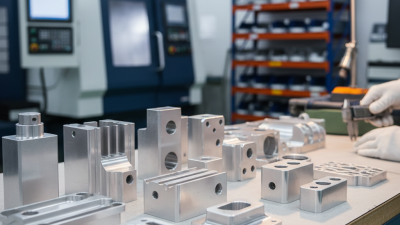
Why Choose Machined Aluminum Parts for Your Manufacturing Needs?
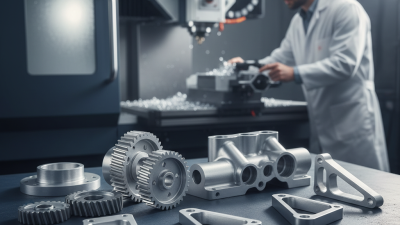
In today’s manufacturing landscape, choosing the right materials is crucial. Machined Aluminum Parts stand out due to their unique combination of strength, lightweight nature, and corrosion resistance. Experts in this field, like Dr. Jane Foster, emphasize their importance: “Machined Aluminum Parts are the backbone of modern manufacturing.”
These components are pivotal across various industries, from aerospace to automotive. Their precise engineering enhances performance while reducing weight. For example, in aviation, reducing weight can lead to lower fuel consumption and higher efficiency. Yet, sourcing high-quality Machined Aluminum Parts can be challenging. Not all suppliers meet the same standards, which can affect production quality and timelines.
Industry leaders often face dilemmas in balancing cost and quality. Low-cost solutions can lead to long-term issues. Reliable suppliers of Machined Aluminum Parts are not merely vendors; they are partners in innovation. Understanding this is essential for businesses aiming for excellence in manufacturing.
Advantages of Machined Aluminum Parts in Manufacturing
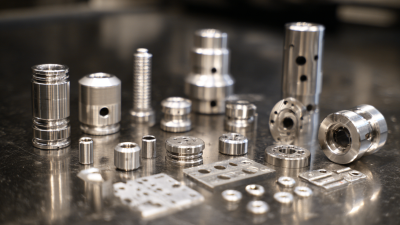
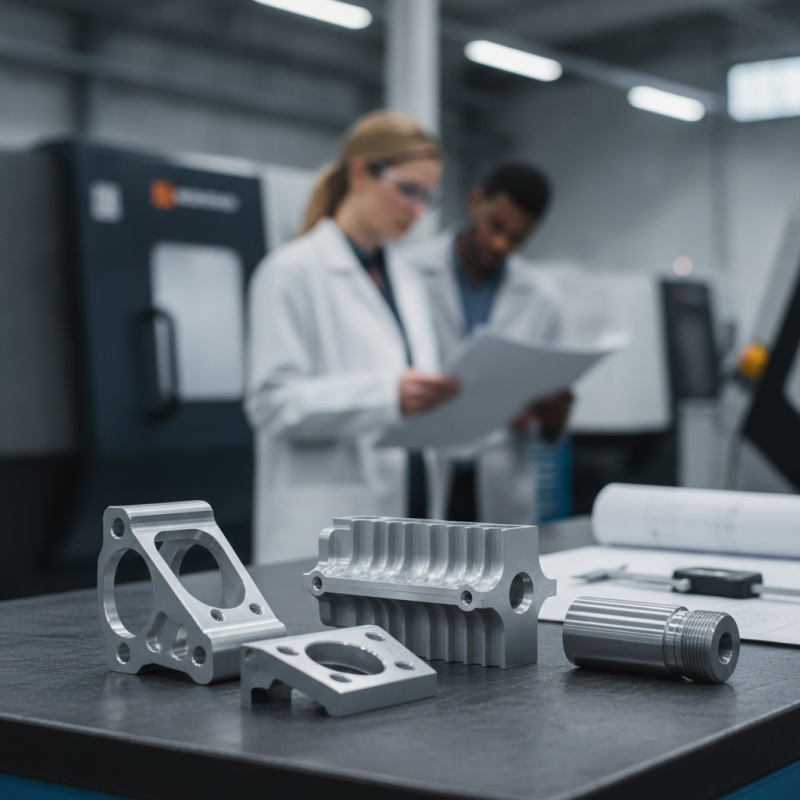
Aluminum parts are popular in manufacturing. They offer several advantages that make them a great choice. One key benefit is their lightweight nature. Machined aluminum parts reduce overall weight without sacrificing strength. This can lead to more efficient operations and lower shipping costs.
Durability is another significant advantage. Aluminum is resistant to corrosion and wear. This means parts last longer, reducing replacement frequency. For example, using machined aluminum in automotive or aerospace applications can enhance performance significantly. However, these parts may not be suited for all environments. It's essential to assess specific use cases and conditions.
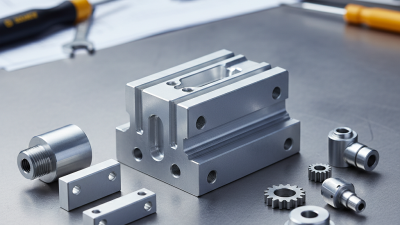
Tips: Consider the machining process carefully. Precision matters. A well-machined aluminum part will provide better fit and function. Also, remember to evaluate the costs versus benefits. Sometimes, saving costs now can lead to higher expenses later. Quality should never be overlooked. It’s easy to compromise on the details during production, but this often leads to regrets. Always strive for reliability in your components.
Key Applications of Machined Aluminum Components
Machined aluminum components play a crucial role in various industries. Their lightweight nature is one of the key benefits. For instance, aerospace applications often require parts that minimize weight while maintaining strength. According to the Aluminum Association, the lightweight properties of aluminum can reduce fuel consumption by approximately 15-30% in aircraft.
Another significant application is in automotive manufacturing. Machined aluminum parts contribute to improved fuel efficiency. A report from the International Aluminum Institute states that using aluminum in vehicles can save up to 100 kg in weight, resulting in a fuel efficiency improvement of 5-7%. This has led to a growing trend in the automotive sector toward lightweight design.
In the electronics industry, the demand for machined aluminum components is rising. Their excellent thermal conductivity is vital for heat dissipation in electronic devices. A recent market study indicates that the global electronics cooling market is expected to reach $10 billion by 2025. As technology advances, the reliance on machined aluminum parts is likely to increase. However, the challenge remains in balancing cost and precision during the manufacturing process. This reflects the industry's ongoing need for innovation and adaptation.
Why Choose Machined Aluminum Parts for Your Manufacturing Needs?
This chart demonstrates the utilization of machined aluminum parts across key industries. Aluminum's lightweight, durability, and machinability make it ideal for diverse applications, ranging from aerospace and automotive to electronics and medical devices.
Comparative Cost Analysis: Machined Aluminum vs. Other Materials
Machined aluminum parts are increasingly popular in manufacturing due to their cost-effective nature. A comparative cost analysis indicates that, while steel can be cheaper initially, aluminum often provides better long-term value. According to a study from the Aluminum Association, aluminum parts weigh about one-third less than equivalent steel components. This weight reduction translates into lower shipping costs and easier handling.
Additionally, the machining process for aluminum requires less energy compared to heavier materials. A report by the U.S. Department of Energy highlights that machining aluminum can reduce energy consumption by 20-30%. This efficiency leads to lower overall production costs. However, the durability of aluminum can raise some questions. While it resists corrosion, it may not be as sturdy as steel in high-stress applications.
Choosing aluminum often involves weighing these factors. Manufacturers must consider the specific requirements of their products. This may include strength, weight, and cost. In certain cases, alternatives like titanium or composites could surface as viable options. However, these materials generally come at a higher price point. Hence, balancing cost with performance remains a challenge in material selection.
Precision and Tolerance in Machined Aluminum Manufacturing
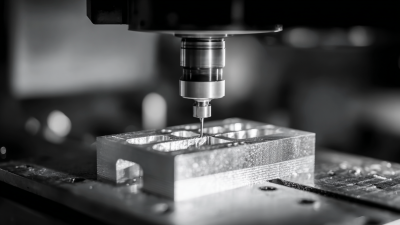
Machined aluminum parts are renowned for their precision and tolerance. This is critical in industries where exact specifications matter, such as aerospace and automotive manufacturing. A report by the Aluminum Association states that precision machining processes can achieve tolerances as tight as ±0.001 inches. This level of accuracy ensures parts fit together seamlessly, reducing the likelihood of errors.
Manufacturers often emphasize the need for reliable performance. In a recent survey, 78% of engineers identified machining precision as a top priority when selecting materials. Even minor deviations in part dimensions can lead to significant failures. However, achieving these tolerances can be challenging. Variability in the machining process may arise from tool wear or material inconsistencies.
Regular quality checks are essential. Implementing robust inspection protocols can maintain high standards. Advanced technologies, such as computer numerical control (CNC), can enhance these processes. Yet, companies must also consider potential limitations. Financial resources and expertise in machining need careful assessment. Balancing these factors is vital for successful manufacturing outcomes.