Top 10 Benefits of Using Machined Aluminum Parts for Your Business?
In today's competitive landscape, businesses seek efficiency and quality. Machined aluminum parts have emerged as a preferred solution across various industries. According to a recent report from MarketsandMarkets, the aluminum alloy market is expected to reach $120 billion by 2025, reflecting a growing demand for these components.
Expert John Smith, a leading authority in the machining field, states, "Machined aluminum parts are revolutionizing manufacturing by offering robust designs with lightweight properties." His insight highlights the transformative impact of these components. Not only do they provide strength, but they also contribute to better fuel efficiency in automotive applications.
However, some challenges exist. The initial setup cost for machined aluminum can be higher than alternatives. Yet, the long-term benefits often outweigh these costs. As industries continue to prioritize sustainability and innovation, the role of machined aluminum parts becomes increasingly vital. Embracing this change may not be straightforward, but the potential advantages are compelling.
Benefits of Improved Strength and Durability in Machined Aluminum Parts
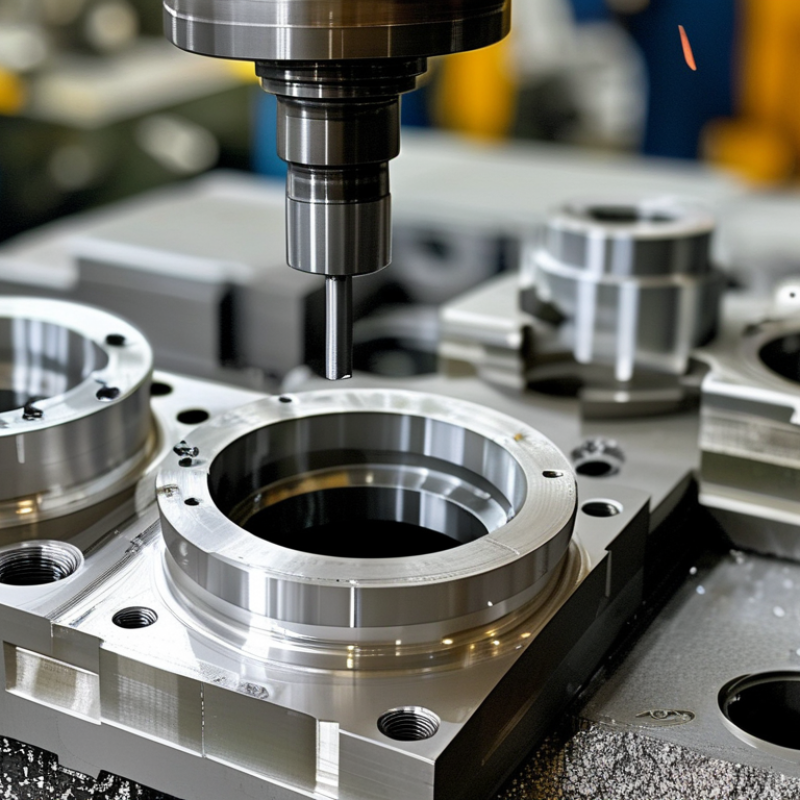
Machined aluminum parts offer significant advantages due to their strength and durability. These components excel in harsh environments. They resist corrosion better than many alternatives. This ability ensures longer product life and reduced maintenance needs. Clients often notice fewer failures in machinery using aluminum parts.
The lightweight nature of aluminum contributes to its appeal. It does not compromise structural integrity. Applications in aerospace and automotive industries benefit immensely. Machined aluminum maintains performance under stress. Engineers find that using these materials enhances overall product design. However, achieving the desired finish and precision requires expertise. Not every manufacturer meets the high standards necessary for optimal performance.
Durability is a vital consideration for businesses. While aluminum withstands wear, it’s crucial to choose the right alloy. Not all aluminum grades offer the same strength. Understanding specifications can be daunting for some. This area requires attention to detail and experience. Regular assessments also help identify potential performance issues, ensuring reliability.
Top 10 Benefits of Using Machined Aluminum Parts for Your Business
| Benefit |
Description |
| Improved Strength |
Machined aluminum parts offer high strength-to-weight ratios, making them suitable for various applications. |
| Increased Durability |
Aluminum is resistant to corrosion and wear, ensuring a longer lifespan compared to other materials. |
| Lightweight |
Being lightweight helps in reducing the overall weight of products, which is essential for industries like aerospace. |
| Versatility |
Aluminum can be easily fabricated and machined into complex shapes and sizes, enhancing design flexibility. |
| Cost-Effectiveness |
While initial costs may be higher, the longevity and durability lead to lower overall maintenance costs. |
| Enhanced Thermal Conductivity |
Good thermal conductivity makes aluminum ideal for applications requiring heat dissipation. |
| Recyclability |
Aluminum is highly recyclable, making it an environmentally friendly choice. |
| Aesthetic Appeal |
Aluminum can be finished to achieve a wide range of aesthetic appearances for consumer goods. |
| Precision Engineering |
Aluminum parts can be machined to high tolerances, ensuring quality and performance in end products. |
| Resistance to Fatigue |
Aluminum exhibits good fatigue resistance, making it suitable for dynamic applications. |
Cost-Effectiveness of Machined Aluminum for Business Operations
Machined aluminum parts present a compelling choice for businesses focused on cost-effectiveness. Aluminum offers a favorable strength-to-weight ratio, making it ideal for various applications. When compared to materials like steel, aluminum can reduce shipping and handling costs due to its lighter weight. This aspect alone can lead to significant savings over time.
Moreover, the machining process for aluminum is efficient. Advanced CNC techniques ensure precision in every part produced. This precision reduces waste and the need for costly reworks. Though initial investment in equipment may be high, the longevity and durability of aluminum parts can offset these costs. However, some may find the upfront costs daunting, requiring careful budgeting.
It’s essential to consider your production volume. For smaller runs, the per-part cost might be higher. Balancing quality with costs is critical. Are you sacrificing quality for savings? Keep this question in mind. Ultimately, leveraging machined aluminum can lead to better performance and reduced operational expenses, provided the approach is well thought out.
Top 10 Benefits of Using Machined Aluminum Parts for Your Business
Lightweight Nature of Aluminum and Its Impact on Efficiency
Aluminum is known for its lightweight nature, making it an excellent choice for various applications. This can significantly enhance operational efficiency. When parts are lighter, less energy is required for transportation and handling. This can lead to reduced operational costs for businesses. For example, machinery that uses aluminum parts can operate faster due to decreased load, ultimately speeding up production.
Manufacturers appreciate the versatility of machined aluminum. It can be customized for specific uses, from automotive components to industrial equipment. However, lighter weight does not mean sacrificing strength. Aluminum maintains a high strength-to-weight ratio, which is crucial for performance. Yet, some might find durability issues in certain conditions. This leads to debates about material choices depending on the application.
Choosing aluminum requires careful consideration. Engineers must balance weight and strength, ensuring safety and reliability. It's essential to reflect on the specific needs of a project before making material decisions. Lightweight aluminum parts can boost efficiency but may need enhancements for harsh environments. Ultimately, the choice of materials should align with both performance expectations and practical limitations.
Enhanced Aesthetic Appeal and Customization Options in Design
Machined aluminum parts offer businesses a unique blend of aesthetic appeal and excellent customization options. The visual quality of machined aluminum can elevate any product. Its sleek surface and bright finish attract attention. Customization allows for tailored designs that reflect branding choices or specific client needs. You can achieve intricate shapes and textures that set products apart in a competitive market.
Another remarkable aspect is the versatility in design. Machined aluminum can be anodized or painted, providing a range of color options. This adaptability is crucial for branding and creating a memorable product identity. High precision in machining means every detail can be controlled. However, it’s essential to note that the initial costs can be higher. It’s a consideration that every business must reflect on. Striking the balance between cost and quality remains a key challenge for many. Nevertheless, the long-term benefits often outweigh the upfront investments.
Corrosion Resistance and Maintenance Benefits of Aluminum Components
Aluminum components are renowned for their corrosion resistance. When exposed to moisture, they form a protective oxide layer. This barrier significantly slows down further oxidation. In environments prone to humidity or chemicals, aluminum parts excel where steel might fail. They can last years without rust or degradation, reducing the need for frequent replacements.
Maintenance is another aspect where aluminum shines. Unlike other materials, aluminum requires minimal upkeep. A simple wipe-down is often enough to keep it looking new. This is especially beneficial for businesses that depend on efficiency. While some may neglect regular inspections, the durability of aluminum allows for more flexibility in maintenance schedules. However, it's crucial to monitor wear and tear over time to ensure optimal performance. Investing in aluminum parts often means investing in long-term reliability and reduced operational costs.