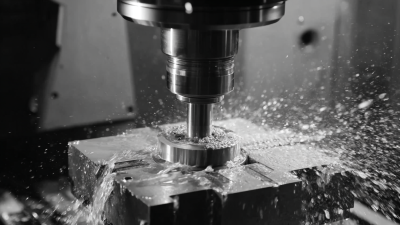
How to Choose a CNC Processing Center in 2026?
Choosing a Cnc Processing Center in 2026 is not simply a race for higher speed or more axes. It is a decision about repeatability, workflow, service, and future production risk. A machine may advertise 20,000 rpm, but that number means little when your parts need heavy steel cutting. The real question is practical: can the center hold tolerance after eight hours of production?
John Saunders, founder of Saunders Machine Works and a respected manufacturing educator, offers a useful principle: “Start with the work, not the machine.” That idea should guide every comparison. Review your typical materials, part dimensions, cycle times, fixture methods, and inspection requirements. Check spindle torque at usable speeds. Examine X, Y, and Z travel carefully. A small work envelope can become expensive when one awkward component needs special fixturing.
Look beyond the brochure.
A reliable Cnc Processing Center should support stable chip evacuation, accessible maintenance, accurate probing, and responsive technical service. Tool capacity also matters. An automatic tool changer with thirty pockets may be unnecessary for simple work, yet limiting for mixed production. Consider controls, simulation, remote diagnostics, energy use, and operator training.
Some buyers focus too heavily on initial price. That is understandable, but incomplete. Downtime, poor post-process support, and difficult programming can quietly outweigh savings. I would also question optimistic productivity estimates. Your actual results may be slower during the first months. That is not failure. It is evidence for better planning. The strongest choice balances present workloads with realistic growth, measurable quality targets, and the people who will operate the machine daily.
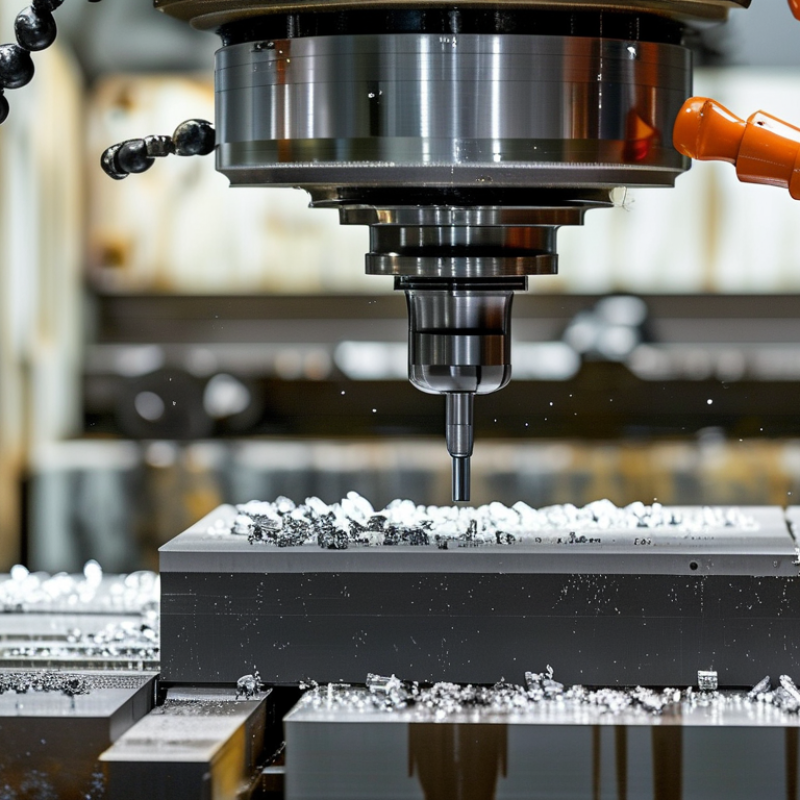
Define Your CNC Processing Needs and Production Goals
Choosing a CNC processing center in 2026 starts with production goals, not machine specifications. Define the parts, materials, tolerances, batch sizes, and delivery targets first. A five-axis machine may look impressive, but it can be excessive for simple aluminum housings.
From shop-floor audits, I have learned that cycle time is only one part of capacity. Measure setup time, inspection time, tool changes, operator availability, and planned maintenance. Then calculate the required spindle hours per month. Add realistic downtime. Many purchasing plans ignore it.
Deloitte’s 2024 Smart Manufacturing and Operations Survey reported that 86% of manufacturers view smart manufacturing as a key competitiveness driver. This supports investing in data collection, but connectivity alone cannot repair poor process planning. Specify useful signals, such as spindle load, tool life, alarm history, and energy consumption. The International Federation of Robotics reported 541,302 industrial robots installed worldwide in 2023, showing how strongly automation is expanding. Still, automation should match your repeatable work.
Review the difficult jobs, too. Tall walls, deep cavities, thin sections, and unstable materials may require different travel, tooling, or coolant control. I once favored maximum speed and underestimated fixturing. The machine performed well, but the part still shifted. That mistake was expensive. Define acceptable risk, operator skill, floor space, service access, and five-year operating costs before comparing quotations. A smaller center may produce more reliably when its capabilities fit the real workload.
Evaluate Key Specifications, Accuracy, Speed, and Capacity
Choosing a CNC processing center in 2026 starts with the part, not the machine brochure.
Measure the largest workpiece, fixture height, and tool access before comparing models. A compact table may need 800 mm of travel, while a deep housing needs more Z clearance. Leave room for chips, coolant, and safe operator movement. That detail is easy to miss.
Accuracy depends on more than advertised positioning numbers.
Ask for positioning accuracy, repeatability, thermal compensation, and inspection records. A machine holding ±0.01 mm may still produce drift after hours of cutting. Run a sample test with your material, fixture, and target tolerance. Good evidence beats polished claims.
Speed should include acceleration, tool-change time, and real cutting performance.
High spindle speed means little if the control pauses between operations. Check spindle torque across the working range, especially for steel or large cutters. Capacity also includes tool storage, pallet load, coolant flow, and chip evacuation.
I once focused too much on rapid traverse and overlooked the tool magazine.
Production suffered during long unmanned runs.
Review the machine’s service access and calibration process.
Reliable accuracy requires clean scales, stable temperature, and trained operators. A wider capacity can reduce future limits, but excessive size may increase energy use and floor costs. Compare measured cycle times, not optimistic estimates. Some specifications still look impressive on paper.
Assess Automation, Software, Maintenance, and Operator Requirements
Choosing a CNC processing center in 2026 requires more than comparing spindle speed. Automation should match your actual workload. A pallet changer may reduce idle time, but it adds sensors, grippers, and recovery procedures. For mixed small batches, easy setup can matter more than maximum automation. Check how the machine handles tool measurement, chip removal, probing, and unexpected stops. A useful test is simple: run three representative parts, including one with frequent tool changes. Watch the operator, not only the cycle time. If they constantly intervene, the automated process is not truly efficient.
Software deserves equal scrutiny. The control interface should make offsets, alarms, and tool life visible. Offline programming can shorten setup, but only when the postprocessor is verified against the machine. Simulate deep pockets, rapid moves, and fixture clearances. Small errors become expensive collisions. Ask whether production data can be exported securely for traceability and maintenance planning. Cloud features may help, but poor network access can interrupt a shift. Keep a local recovery plan. It is less elegant, but more dependable.
Maintenance planning should be practical and documented. Review lubrication intervals, filtration, spindle warm-up routines, and access to wear parts. Request sample maintenance records, not promises. Operators need training on probing, tool changes, alarm recovery, and safe restart procedures. Short video lessons help, yet supervised practice remains essential. Do not assume experienced machinists know every new interface. That assumption causes avoidable mistakes. Leave time for a pilot run. Specifications look precise on paper, while real floors reveal vibration, awkward access, or confusing alarms.
Calculate Total Costs, Supplier Support, and Long-Term Value
How to Choose a CNC Processing Center in 2026?
Calculate Total Costs, Supplier Support, and Long-Term Value
A low purchase price rarely shows the complete cost of a CNC processing center. Calculate tooling, installation, training, energy, maintenance, software, and downtime. A machine may cost less initially but lose money during repeated setup delays. Request service records, spare-parts lead times, and realistic cycle-time data. Then compare those figures with your expected annual production.
Tips: Build a five-year cost sheet. Include electricity, coolant, inspection equipment, operator training, and emergency repairs. Ask suppliers for written assumptions. Small exclusions can become expensive.
Supplier support deserves a practical test. Ask who answers technical calls, how quickly engineers arrive, and whether remote diagnosis is available. Request references from workshops with similar materials and workloads. Visit one if possible. Watch the machine running, not just standing clean in a showroom. Long-term value also depends on control updates, operator-friendly software, rigidity, and resale demand.
The calculation will not be perfect. Market prices change, and production plans shift. I would leave a contingency budget instead of trusting optimistic forecasts. A useful machine should protect output during ordinary problems, not only perform well during demonstrations. Check maintenance access, documentation quality, and training depth before signing. These details often decide whether the center becomes a reliable asset or an expensive lesson.
How to Choose a CNC Processing Center in 2026?
Five-year total cost of ownership comparison using typical mid-market planning benchmarks. Values are shown in thousands of USD and include purchase, installation, tooling, maintenance, energy, labor support, and downtime allowances.
Key takeaway: The lowest purchase price does not always produce the lowest long-term cost. Supplier support, preventive maintenance, energy efficiency, and expected downtime can materially change the five-year ownership result.