Top Steel Parts Suppliers for Global Buyers?
The global steel parts market is a dynamic landscape, integral to various industries. According to a recent report by Allied Market Research, the steel parts market is projected to reach $1 trillion by 2030, driven by increased construction and automotive demands. The demand for high-quality steel parts continues to rise, necessitating reliable suppliers who can meet stringent quality standards.
Key regions leading this market include Asia-Pacific and North America, which capture significant market shares. Industry leaders emphasize the importance of innovation and sustainability. However, selecting the right supplier poses challenges. Buyers must navigate quality assurance, cost efficiency, and delivery timelines. This complexity can lead to uncertainty in sourcing decisions.
Understanding the landscape of steel parts suppliers is crucial for global buyers. Reports highlight a few dominant players but also suggest a myriad of emerging companies. Each supplier may have strengths and weaknesses, reflecting the diverse needs of various industries. Making informed decisions hinges on comprehending these nuances and recognizing the potential pitfalls in supplier reliability and product quality.
Overview of the Global Steel Parts Supply Market
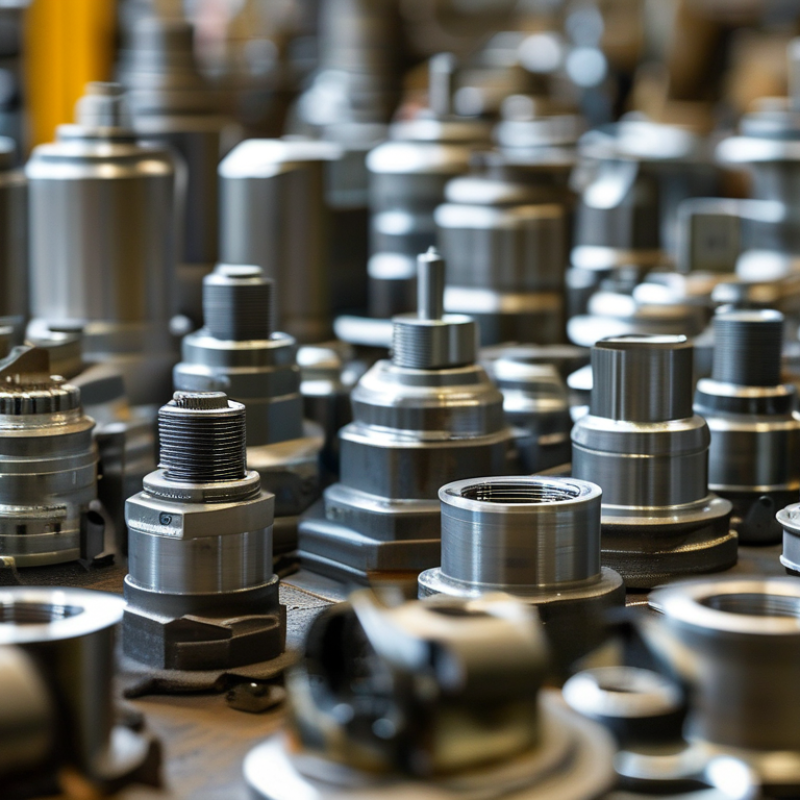
The global steel parts supply market is diverse and complex. Suppliers range from large manufacturers to small local businesses. Each brings unique strengths. Some focus on specific industries, while others provide a broad range of products. Quality control is vital across all suppliers. Buyers should ensure that their suppliers adhere to strict standards.
One key aspect is material sourcing. Different suppliers may use varying grades of steel. This can impact the final product's durability and performance. Therefore, understanding the material's origin and treatment is crucial for buyers. Online platforms often list ratings and reviews. These can help gauge a supplier's reliability and quality.
Tips: Always check supplier certifications. This ensures that materials meet industry standards. Additionally, build relationships with suppliers to foster trust. Having direct communication can help resolve issues quickly. Remember, transparency in the supply chain contributes to better outcomes for everyone involved.
Key Players in the Steel Parts Manufacturing Industry
The steel parts manufacturing industry has seen significant growth in recent years. Various players are stepping up their game to meet increasing global demand. Manufacturers from different regions exhibit diverse capabilities in production efficiency and technology. This variety enriches the market but sometimes leads to inconsistencies in quality. Buyers must be vigilant when assessing suppliers.
Certain factors are crucial when evaluating key players in steel production. Innovation in manufacturing techniques is essential for staying competitive. Quality control processes directly impact product reliability. Some suppliers may focus on mass production but lack attention to detail. This can result in defective parts, which are costly for buyers.
Sustainability has become a focal point in today's market. Many manufacturers strive to reduce their carbon footprint. However, not all companies share the same commitment. Transparency in sourcing practices is vital. Buyers should seek suppliers who openly address sustainability issues. Ultimately, the right partnerships can foster mutual growth in the industry.
Top Steel Parts Suppliers for Global Buyers
Criteria for Choosing Steel Parts Suppliers
Choosing the right steel parts supplier is crucial. A reliable supplier ensures quality and timely delivery. Various criteria should guide your choice in this global marketplace.
Quality assurance is non-negotiable. Look for suppliers who perform rigorous testing on their products. Certifications can indicate compliance with international standards. Experience also matters. Suppliers with a longstanding reputation often adapt better to market changes.
Tips: Consider visiting potential suppliers. Observing their operations provides insights into their quality control practices. Communication is key. A responsive supplier will address your concerns swiftly.
Another aspect to consider is pricing. The cheapest option isn't always the best. Balancing cost and quality is essential. Also, assess their supply chain reliability. Delays can affect your timelines.
Tips: Request samples before making big orders. This helps evaluate the quality firsthand. Keep an open mind. Sometimes, newer suppliers may offer better services.
Emerging Trends in Steel Parts Supply Chains
As the steel industry evolves, supply chains are becoming more complex. Emerging trends reveal a shift towards sustainability. Companies are now prioritizing eco-friendly practices. This means sourcing materials with a lower carbon footprint. Many suppliers are investing in green technologies to meet new demands.
Digital transformation is another key area of focus. Advanced analytics and AI are used to optimize inventory and logistics. These technologies help suppliers respond quickly to market changes. However, relying too heavily on technology can pose risks. Cybersecurity threats are increasing, and companies must safeguard their data.
Collaboration is essential in the current landscape. Building partnerships between suppliers and consumers can strengthen resilience. Transparency in operations allows for better trust. Yet, some firms still struggle with communication. These challenges highlight the need for continuous improvement in supply chains.
Challenges Facing Global Steel Parts Suppliers
The global steel parts supply market faces numerous challenges. Fluctuating raw material prices impact profit margins. According to industry reports, steel prices surged by 40% in the past year alone. This volatility complicates budgeting and financial forecasting for suppliers. Many companies struggle to pass these costs onto clients, creating a squeeze on profitability.
Supply chain disruptions also pose challenges. The COVID-19 pandemic highlighted vulnerabilities in logistics. A study showed that 70% of suppliers experienced delays in shipping due to port congestion. This not only impacts delivery times but also customer satisfaction. Additionally, geopolitical tensions add further uncertainty, as tariffs and trade restrictions can quickly change the landscape for global suppliers.
Furthermore, the push for sustainable practices raises questions. Many clients now prioritize eco-friendly sourcing. However, transitioning to greener methods can require significant investment. Companies must weigh the costs against potential gains in market share. The struggle to balance immediate financial performance with long-term sustainability goals is a real test for many in the industry.