Leave Your Message

Who Are the Top Aluminum Parts Suppliers in China?

China’s aluminum industry operates at a scale few manufacturing regions can match. The USGS Mineral Commodity Summaries 2024 estimated China produced about 41 million metric tons of primary aluminum in 2023. The International Aluminium Institute reported global primary production of roughly 70.6 million tonnes that year. These figures describe metal output, not finished-part quality. That distinction matters.

For buyers, the real question is which suppliers can turn material into dependable Aluminum Parts. A precision-machined bracket, a die-cast housing, and an extruded heat sink each require different equipment and process controls. Supplier comparisons should therefore consider capabilities, alloy options, tolerances, inspection methods, production capacity, and communication. Ask for sample inspection records and clear answers about surface finishing. A polished website is not proof of a stable process.

This overview examines leading Chinese suppliers through those practical lenses. It also considers whether a company specializes in machining, casting, extrusion, or several processes. Public company profiles can help shortlist candidates, but they rarely reveal everything about daily quality control. That is an honest limitation. Buyers should verify current certifications, factory capabilities, and sample parts before making a sourcing decision. A low quoted price may look attractive, yet tooling, finishing, and delivery terms can change the total cost. The strongest supplier is not automatically the largest; it is the one whose documented capabilities match the part, order volume, and inspection needs.
Who Are the Top Aluminum Parts Suppliers in China?

What Aluminum Parts Suppliers in China Provide

Aluminum parts suppliers in China often provide more than finished components. Many support design review, material selection, prototyping, machining, and surface treatment. Their work may cover CNC-milled brackets, die-cast housings, extruded rails, and formed sheet-metal panels. A useful supplier can discuss alloy options, wall thickness, tolerances, and how a part will be assembled.

Details matter. Ask what processes are performed in-house and which are subcontracted. For a machined part, clarify critical dimensions, hole positions, and acceptable surface marks before production. Suppliers may offer anodizing, powder coating, or other finishes, along with packaging suited to prevent scratches during transit. Inspection can include dimensional checks, visual review, and material or process records, depending on the project.

A drawing can look complete and still leave room for disagreement. A small radius, an unclear datum, or an unspecified finish can affect cost and fit. Share the intended use, annual volume, and key performance needs, then request sample parts and inspection details. Not every supplier provides the same depth of engineering support, and a polished quotation alone is not proof of consistent production.
How Aluminum Parts Are Manufactured and Supplied

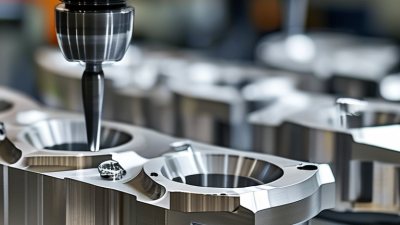
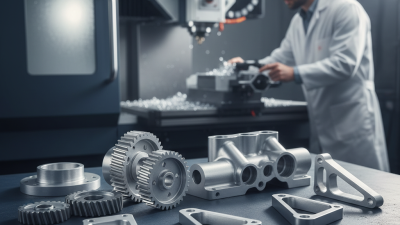
Aluminum parts begin with a clear drawing and a realistic production plan. The required strength, weight, finish, and annual volume help determine the alloy and process. Extrusion suits long, consistent profiles; casting can form complex shapes; CNC machining works well for precise features and smaller runs. The choice affects cost and lead time. Small details matter.

During production, operators check dimensions and surface condition at agreed stages. Calipers or coordinate measuring equipment can verify critical features, while sample inspections help reveal batch variation. Edges are deburred before parts move to finishing, such as anodizing or powder coating. A missed edge radius can complicate assembly, even when the main dimensions pass. The drawing is not always enough; real samples may expose unclear requirements.

Supply involves more than packing finished components. A capable supplier should explain tooling charges, minimum order quantities, inspection records, packaging, and realistic delivery schedules. Buyers can request a first-article sample and confirm how changes will be documented before approving a larger batch. Protective wrapping matters: aluminum surfaces can scratch when parts rub together in transit. Even careful checks have limits, so keep tolerances tied to function rather than making every feature unnecessarily precise.

How to Evaluate Chinese Aluminum Parts Suppliers

Evaluating a Chinese aluminum parts supplier starts with the part, not a polished sales presentation. Send a clear drawing with alloy, temper, finish, tolerances, and annual volume. Ask how the supplier will make each feature. A machinist should be able to explain where a tight tolerance may add cost or slow production. For extruded parts, request details about die design and profile consistency. Look for sample inspection records, not just promises. Compare a first article with your drawing using suitable measuring tools, such as calipers or a coordinate measuring machine.

Review quality controls and communication before placing a large order. Ask who checks dimensions, how often measurements are recorded, and how nonconforming parts are handled. Check whether material certificates and batch records can be linked to the shipment. A low quote may exclude finishing, packaging, or inspection; confirm each item in writing. Small details matter. Discuss how drawing changes are approved and who responds when a dimension is unclear. A video call or factory visit can help you understand the workflow, but it cannot replace sample testing. Even a careful checklist has limits. I would treat a successful sample as evidence, not a guarantee that every production batch will match.

Leading Aluminum Parts Suppliers in China

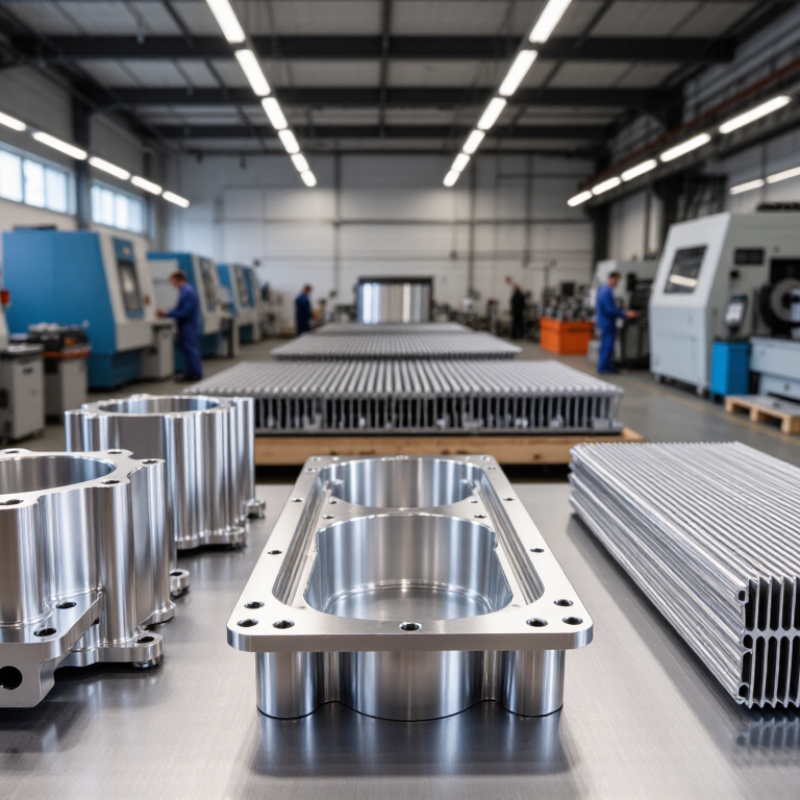
Leading aluminum parts suppliers in China combine material knowledge with dependable production control. They may offer extrusion, CNC machining, die casting, sheet-metal fabrication, or several processes under one roof. The right match depends on the part, not a supplier’s size. A thin heat-sink profile needs different tooling and inspection from a machined housing with threaded holes.

Ask how a supplier verifies alloy, dimensions, and surface finish. Useful evidence includes material certificates, first-article measurements, and inspection records tied to a specific production batch. For a machined component, request details on tolerances, burr removal, and how critical holes are checked. For coated parts, inspect sample edges and contact points, where coverage can be less consistent. Small details matter. A polished sample can still hide variation between batches, so pilot runs are worth considering.

Communication is part of capability, too. Clear drawings, agreed revision control, and prompt answers help prevent avoidable rework. It is sensible to compare production samples and audit reports, rather than relying on broad claims about capacity. No supplier is perfect; even a careful review cannot predict every issue once volumes rise. That uncertainty deserves a place in the purchasing plan.

Who Are the Top Aluminum Parts Suppliers in China? - Leading Aluminum Parts Suppliers in China

Supplier Capability Common Processes Typical Materials Common Applications What Buyers Should Verify
Extruded profile manufacturers Billet heating, extrusion, cutting, heat treatment, and optional finishing Common wrought alloys include 6061 and 6063; alloy suitability depends on strength, corrosion, and forming requirements. Frames, rails, heat sinks, enclosures, and structural profiles Profile tolerances, alloy and temper documentation, straightness, surface finish, and extrusion-die ownership
CNC-machined parts suppliers CNC milling, turning, drilling, tapping, deburring, and dimensional inspection 6061 is commonly machined; other alloy and temper choices should be matched to the drawing and service conditions. Precision housings, brackets, fixtures, and equipment components Drawing revision control, critical-dimension reports, material traceability, machining capacity, and inspection equipment
Aluminum die-casting suppliers High-pressure die casting, trimming, machining, and optional coating or finishing Casting alloys vary by specification and market; ADC12 is a commonly used aluminum die-casting alloy designation in China. Motor housings, covers, appliance parts, and automotive components Porosity controls, casting-weight consistency, tooling life, pressure/leak testing where required, and post-cast machining capability
Sheet-metal fabrication suppliers Laser cutting, punching, bending, welding, and surface finishing Sheet alloy and temper depend on formability, strength, corrosion exposure, and finishing requirements. Cabinets, panels, trays, brackets, and protective covers Bend-radius feasibility, weld quality, flatness, edge condition, coating specifications, and packaging protection
Forging suppliers Closed-die or open-die forging, heat treatment, trimming, and finish machining Alloy selection is application-specific; wrought alloys such as 6061 or 6082 may be specified for suitable forged products. Load-bearing components, shafts, fittings, and transport or industrial parts Forging flow and defect controls, heat-treatment records, mechanical-property results, and machining allowance
Integrated, multi-process suppliers Two or more processes, such as extrusion plus CNC machining or casting plus finishing Material range depends on the processes and product specifications offered. Assemblies and parts requiring coordinated forming, machining, and finishing Which operations are performed in-house, subcontractor controls, end-to-end traceability, and responsibility for final inspection

Note: This is a capability-based comparison, not a verified ranking of individual suppliers. Confirm alloy, temper, tolerances, certifications, and inspection requirements against the current drawing and purchase specification.

Industries Served by China’s Aluminum Parts Suppliers

China’s aluminum parts suppliers serve construction, transportation, electronics, and industrial equipment manufacturers. In building projects, extruded profiles become window frames, curtain-wall supports, and modular partitions. These parts must fit tightly on site, where small dimensional errors can slow installation. Surface finish matters, too. Scratches show quickly on visible frames.

Vehicle and rail suppliers use aluminum housings, brackets, panels, and heat-dissipating components to manage weight and heat. Electronics makers often need compact enclosures with precise openings for connectors and ventilation. A drawing alone may not capture every assembly issue. Sample testing can reveal interference before production scales up.

Other customers include agricultural machinery makers, renewable-energy projects, and medical-equipment producers. Solar installations, for example, may require corrosion-resistant mounting parts exposed to rain and dust. Medical equipment can demand traceable materials and consistent machining, but requirements vary by application. Details matter. Buyers should check alloy certificates, inspection records, tolerances, and finishing methods against the actual use case. Not every supplier handles every process equally well. A low quotation can also omit tooling, inspection, or packaging costs, so comparing scope—not just unit price—is more reliable.