Leave Your Message

Where to Buy Antique Clock Parts in 2026?

Finding Antique Clock Parts in 2026 can take more than a quick search. The right source depends on the clock’s maker, age, movement, and the part you need. Specialist clock-repair suppliers may carry common springs, hands, bushings, and suspension parts. Established repair shops can also help identify an unfamiliar component. For discontinued pieces, collectors sometimes explore reputable auction houses, estate sales, and carefully reviewed online listings. Availability changes. Details matter.

Before buying, record the clock’s maker and movement markings, then photograph the part beside a ruler. Note dimensions, mounting points, and any visible wear. A gear that looks close may still have the wrong tooth count or arbor size. Ask sellers for clear photos, measurements, return terms, and any known compatibility information. For valuable or delicate clocks, a qualified horologist can assess whether a replacement is appropriate. That takes patience.

Original parts may preserve a clock’s historical character, while well-made compatible parts can sometimes restore function. Neither choice is automatically right. Condition, fit, and the clock’s intended use all matter. Online descriptions can be incomplete, and even experienced buyers occasionally misread a movement number. I would treat uncertain listings cautiously rather than assume a part will fit. This guide looks at where to search, what to verify, and how to compare options before purchasing Antique Clock Parts in 2026.
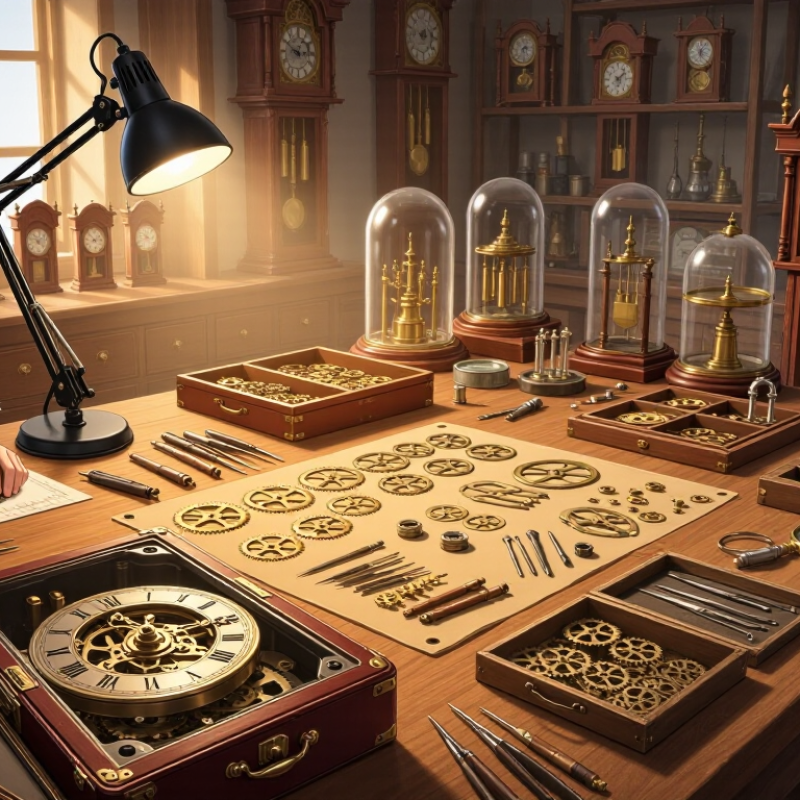
Where to Buy Antique Clock Parts in 2026?

Identify the Clock by Maker, Movement Type, and 30-Hour or 8-Day Run Time

Before buying antique clock parts, identify the clock as carefully as you can. Look for a maker’s name on the dial, movement plate, or inside the case. Record any numbers and take clear photos of the front, back, and movement. Small clues matter. A handwritten repair note may help, but it should not be treated as proof of the clock’s age or original parts.

Next, note the movement type and how often the clock needs winding. A 30-hour movement usually requires daily winding, while an 8-day movement is designed to run for about a week between windings. These details can narrow a parts search, but they do not guarantee compatibility. Measure the part, compare its shape and attachment points, and check whether the movement has been altered. Measure twice. A similar-looking gear may have different teeth or dimensions.

When contacting a parts seller, share your photos, measurements, and winding schedule. Ask whether the part is original, a replacement, or compatible with your movement. If the clock is running poorly, avoid forcing the hands or winding key; resistance can signal a problem. I have found that identification is sometimes imperfect, especially when labels are missing or repairs have changed the mechanism. Be candid about what you cannot confirm, and seek a clock repair professional’s opinion before ordering costly or delicate parts.
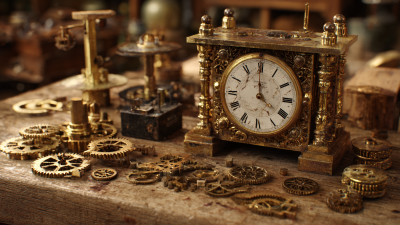

Compare Specialist Dealers, NAWCC Marketplaces, Auctions, and Salvage Shops

Antique clock parts are easiest to source when you identify the movement and part before shopping. Record the maker’s marks, movement number, shaft diameter, and tooth count. Clear photographs beside a ruler can help a seller check fit. Details matter.

Specialist dealers are useful when a part needs to match a specific movement. Ask whether it is new old stock, restored, or removed from another clock. Confirm measurements and return terms before paying. A knowledgeable dealer may spot a mismatch, but descriptions can still omit wear or repairs.

The NAWCC marketplace connects collectors and sellers, often with useful movement-specific knowledge. Compare photos, ask for close-ups, and keep messages about condition. Auctions may offer scarce parts, though bidding fees and limited inspection time can change the real cost. Salvage shops are worth checking for donor clocks and common components. Bring measurements, and inspect for cracked brass, bent pivots, and worn teeth. Some salvaged parts look sound until cleaned. Even careful checks cannot guarantee a perfect fit, so leave room for uncertainty.

Verify Fit with Gear-Tooth Count, Arbor Diameter, Pendulum Length, and Thread Size

Where to Buy Antique Clock Parts in 2026?

When shopping for antique clock parts, matching dimensions matters more than a part’s age or appearance. A gear can look nearly identical and still fail to mesh. Count its teeth, marking one tooth with a pencil as you go. Check the arbor diameter with calipers, not a ruler. Even a small difference can leave the gear loose or prevent it from fitting. Keep the old part beside your notes.

Pendulum length needs careful checking. Measure from the suspension point to the center of the pendulum bob, then compare that measurement with the clock’s requirements. A longer or shorter pendulum can change timekeeping. It is easy to measure from the wrong point; I have made that mistake. For threaded parts, record both diameter and thread pitch when possible. A thread gauge helps, but clear close-up photos can help a knowledgeable seller identify an unfamiliar thread.

In 2026, look for specialist clock-repair suppliers, restoration shops, and established sellers of used parts. Ask for exact measurements, return terms, and photos beside a ruler before ordering. Share the clock’s movement details, too. Do not rely on a listing that says “fits most.” If a measurement is uncertain, pause and recheck it. That small delay may save a second purchase.

Where to Buy Antique Clock Parts in 2026? — Verify Fit with Gear-Tooth Count, Arbor Diameter, Pendulum Length, and Thread Size

Part needed Where to look Fit details to record How to verify before buying Useful seller question
Gears and wheels Specialist horological parts suppliers; clock-repair workshops; donor movements from reputable restorers or estate-sale vendors. Count the teeth; measure outside diameter and thickness; note the arbor or hole diameter, wheel material, and tooth form. Tooth count alone does not establish compatibility. Compare the mating gear, tooth spacing, center distance, thickness, and arbor fit with the original. Do not assume gears from different movements will mesh. “Can you confirm the tooth count, wheel diameter, thickness, and arbor or bore diameter?”
Arbors, pivots, and bushings Clock-repair workshops; horological material suppliers; specialist sellers of salvaged movement parts. Measure the arbor diameter with a micrometer or caliper; record pivot diameter, usable length, shoulder position, and bushing dimensions. Measure a clean, unworn section where possible. A worn pivot may measure smaller than its original size. Check that the arbor passes through the plate and that the wheel or hand fits its shoulder. “Are these measurements taken at the unworn section, and is the arbor length measured between the shoulders?”
Pendulum and suspension parts Clock specialists; parts suppliers; salvage sellers offering pendulum assemblies or individual bobs. Record the effective pendulum length (pivot to the bob’s center of mass), rod length, bob diameter and weight, and suspension-strip dimensions. Compare the complete assembly and suspension arrangement with the original. Effective length affects the running rate; a visually similar bob or rod is not proof of a correct match. “What is the effective length from the suspension pivot to the bob’s center of mass, and what is the bob’s weight?”
Screws, nuts, and threaded fittings Horological suppliers; clock-repair workshops; specialist antique hardware sellers. Identify thread diameter and pitch, thread form or standard where known, screw length, head style, and material. Use a thread-pitch gauge and caliper where possible. Do not force a screw into an old thread; similar-looking metric, imperial, and historical threads may not interchange. “Can you provide the measured diameter, pitch, and screw length, rather than an approximate size?”
Hands, keys, and winding parts Clock-part suppliers; repairers; salvage and auction listings with clear measurements. For hands, note the hour-hand and minute-hand hole or fitting sizes, hand length, and shape. For a key, record the winding-square size and depth. Measure the actual shaft, square, or fitting; do not rely on the clock’s case size or a generic description such as “standard.” Check clearance between hands and dial. “Which fitting dimensions were measured, and are they confirmed against the part shown in the listing?”
Complete donor movement Clock-repair workshops; specialist salvage dealers; auctions and estate sales that provide movement photographs and measurements. Record movement plate dimensions, mounting-hole positions, arbor locations, gear-train layout, winding arrangement, and pendulum or escapement type. Compare the movement itself, not only the clock’s age or appearance. Confirm that parts are present, identify visible damage or corrosion, and check the return policy. “Can you provide photographs of both sides and measurements between the mounting holes and arbor centers?”
Custom-made or repaired part A qualified clockmaker or horological workshop able to inspect the movement or work from precise drawings and measurements. Provide the original part if available, scaled photographs, material, critical diameters, lengths, tooth count, and any required thread details. Ask the maker to confirm tolerances and the measurements that determine fit. A repair or reproduction may need adjustment after installation. “Which dimensions are critical for the fit, and can you inspect the original part before making a replacement?”

Buying note: Antique clock parts are not universally interchangeable. Before ordering, compare the original part and movement, request exact measurements and clear photographs, and confirm return terms. For valuable, fragile, or unidentified movements, consult a clockmaker before fitting replacement parts.

Check Originality and Condition Against NAWCC and BHI Horological Guidance

Where to Buy Antique Clock Parts in 2026?

Check Originality and Condition Against NAWCC and BHI Horological Guidance

When shopping for antique clock parts, use NAWCC and BHI horological guidance as reference points, not guarantees of authenticity. Consult their educational resources and compare a part with the movement it is meant to fit. Check dimensions, fixing points, material, and tooth count. A brass wheel can look right yet still be incompatible. Details matter. Ask sellers for close, well-lit photographs and measurements, including images of markings and attachment points.

Inspect condition as carefully as originality. Look for bent teeth, cracked plates, uneven wear, fresh tool marks, and repairs that may affect fit. A polished surface can hide wear, while an old appearance does not prove age. Request a written description of replacements or alterations, and clarify whether the part can be returned if it does not match the listing. Even careful buyers can miss a subtle mismatch, so consult a qualified clockmaker when the part is rare or costly.

Tips: Compare measurements with your clock’s own part before ordering. Save the listing and seller’s answers. Not always obvious. A second opinion can prevent an expensive mistake.

Compare Recent Sold Prices and Shipping Costs Before Buying in 2026

In 2026, compare recent sold prices before buying antique clock parts. Asking prices show what sellers hope to receive, not what buyers actually paid. Check several completed sales for the same part, then note its dimensions, material, condition, and completeness. A worn brass hand is not a fair match for a clean pair. Small details matter. If few sales appear, treat the average cautiously; the sample may be thin or outdated.

Tips: Save the sale date and price, and compare the total delivered cost. Ask for the packed weight and box dimensions. These details can change a shipping quote. Request clear photos of threads, pivots, and damaged edges before paying.

Shipping adds up. Compare tracked options, estimated delivery times, and insurance terms, not just the cheapest label. A heavy movement may cost more to pack safely than a small dial, and an unusually low quote deserves a second look. Add shipping to the part price before deciding. Keep your notes or screenshots; listings can disappear, and memory is a poor price guide. I still find comparisons imperfect when parts vary slightly, so leave room for judgment rather than treating one sale as a fixed value.